



Start writing meaningful vows today with the Wedding Vow Generator

Hi, Friend! Jen Glantz here. I’m a bestselling author, the first ever bridesmaid for hire and have been hired by hundreds of brides all over the world. Let’s talk about 5 senses poem examples.
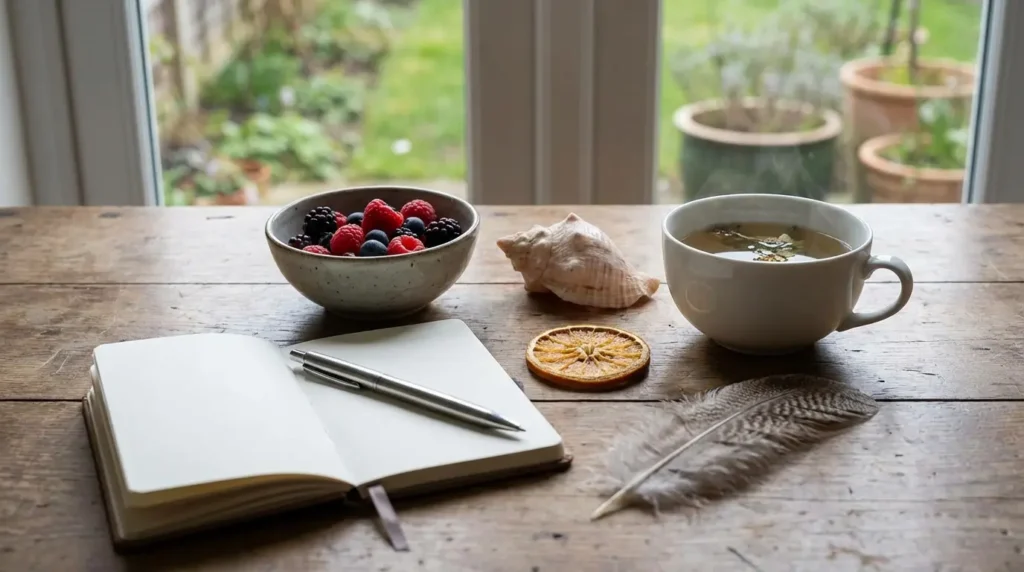
They say observation is the root of science, but I think it’s really just the root of being human. You know that feeling when you walk past a bakery and the smell of burnt sugar and yeast hits you? Suddenly, you aren’t on a city street anymore. You’re six years old, sitting in your grandmother’s kitchen, waiting for cinnamon rolls.
That is the power of sensory input. It bypasses logic and goes straight to your gut. Whether you’re trying to ground yourself during a panic attack, write a Maid of Honor speech that doesn’t suck, or just teach a room full of third graders, mastering the five senses poem is a shortcut to actually making people feel something. Creative Educator calls it observation; I call it a time machine.
Quick Resources:
-
Write meaningful promises with the Wedding Vow Generator
-
Explore the full suite of planning support in All Wedding Tools

The “Too Long; Didn’t Read” Summary
If you’re skimming (it’s okay, we all do it), here is the quick snapshot of why sensory writing matters.
-
Lists vs. Stories: Beginners list senses one by one. Pros weave them together into a scene.
-
Specifics Matter: Don’t say “it smelled good.” Say it smelled like “rosemary and sea salt.”
-
Feelings over Facts: A good sensory poem isn’t a police report; it’s an emotional trigger.
-
Anxiety Hack: These poems are genuinely effective for stopping a panic attack.
-
Wedding Vows: Sensory details are the difference between generic vows and vows that make people cry.
The Mechanics: How to Not Write a Boring Poem
You need to know what you are looking for before you put pen to paper. A bad sensory poem reads like a grocery list. A great one transports you. Let’s break down the difference.
Turn sensory details into heartfelt promises using the Wedding Vow Generator
Isolating vs. Weaving
Beginners usually love the list structure. You isolate each sense on its own line. It’s clean, easy, and great for kids. But advanced writing weaves the senses together. You aren’t just listing what you see; you’re combining the smell of rain with the feeling of cold to create a mood.
Think of it like the difference between a list poem and a story.
The List (Beginner):
I see the bright orange.
I smell the citrus skin.
I feel the bumpy texture.The Weave (Advanced):
My thumb punctures the waxy, bumped skin of the orange, releasing a spray of tart mist that stings the air before the sweet juice ever hits my tongue.
See the difference? One is a description; the other is an experience.

The Rule of Specificity
If you want your writing to land, you have to banish vague adjectives. Words like “good,” “bad,” and “nice” are the enemies here. The “Show, Don’t Tell” rule is paramount. Don’t tell me the dinner was delicious. Describe the basil.
|
Boring Descriptor (Avoid) |
Sensory Specific (Use) |
Why it Works |
|---|---|---|
|
The food tasted good. |
The sauce was rich with basil and salty parmesan. |
Actually triggers your taste buds. |
|
The blanket felt soft. |
The fleece felt like warm velvet against my cheek. |
Adds texture and temperature. |
|
The music was loud. |
The bass vibrated through the floorboards into my feet. |
Turns sound into a physical feeling. |
Use vivid, specific language in your promises with the Wedding Vow Generator
Rhythm and Flow
Always read your work out loud. Even if it’s free verse, the rhythm matters. Does the transition from “Sight” to “Sound” feel clunky? It should glide. Also, consider your goal. Are you trying to calm down? Or are you writing a wedding toast? A poem meant for meditation should sound very different than one meant to make a room full of wedding guests laugh.
25 Examples to Spark Inspiration
Here are 25 examples broken down by category. Some are simple templates, others are more atmospheric. Use them to steal ideas for your own writing.
Category A: The Classroom Classics
These are great for beginners or if you’re just trying to organize your thoughts. They focus on structure and associating abstract ideas with concrete things.
1. The Color Poem (Blue)
Blue looks like the ocean on a clear day.
Blue sounds like wind chimes in a breeze.
Blue smells like fresh blueberries in a bowl.
Blue tastes like a cold raspberry slushie.
Blue feels like cool satin sheets.
This is the quintessential example. It forces you to take a concept (a color) and make it physical. If you like this vibe, check out other color poem examples to see how different hues change the mood.

2. The “I Am” Structure
I see the white clouds floating.
I hear the birds chirping.
I smell the cut grass.
I touch the rough bark.
I taste the summer air.
Simple, accessible, and grounds you in the moment immediately.
3. The Emotional Abstract
Fear is the color red.
It sounds like a pounding heart.
It tastes like bitter metal.
It smells like smoke.
It looks like a shadow in the corner.
This is great for therapy or journaling. It proves that sensory writing can handle complex psychological concepts, not just descriptions of fruit.
4. The Season Identifier (Autumn)
Sight: Orange leaves falling.
Sound: Crunching boots on pavement.
Smell: Woodstoves burning.
Taste: Pumpkin spice and cinnamon.
Touch: Scratchy wool sweaters.
A labeled list. It relies on “common knowledge” triggers (like pumpkin spice) so everyone instantly knows exactly what you’re talking about.
5. The Object Study (The Apple)
Red and shiny skin.
The snap of the first bite.
Sweet, sticky juice.
Smooth and cool in the palm.
The scent of an orchard in September.
Notice how this removes the “I see/I hear” phrasing? It flows much better and zooms in on the tiny details.
Category B: Mindfulness & Grounding
These aren’t just for art; they’re for mental health. This is about using your senses to get out of your head and into your body.
6. The 5-4-3-2-1 Technique
5 things I see: The lamp, the rug, the cat, the window, the sky.
4 things I feel: The chair, my socks, the breeze, my hair.
3 things I hear: Traffic, the fridge humming, my breath.
2 things I smell: Coffee, old paper.
1 thing I taste: Toothpaste mint.
This is a legitimate clinical tool to stop panic attacks. It forces your brain to engage with reality. If you’re stressed about a big event, learning how to manage your wedding planning meltdowns often starts with grounding exercises just like this.
Quick Tip:
You don’t need to write this down. If you’re freaking out in public, just tap your leg. For each tap, name a sense silently. It breaks the anxiety loop.
7. The Morning Ritual
Sunlight hits the eyelid (Sight).
The beep of the alarm (Sound).
Cold floorboards (Touch).
Brewing dark roast (Smell).
Butter on toast (Taste).
It works because it validates the mundane. It’s the stuff we do every day but rarely notice.
8. The “Safe Place” Visualization
I am at the beach.
Turquoise water stretches out.
Waves crash rhythmically.
Salt air fills my nose.
Sand warms my back.
Coconut water on my tongue.
Often used in guided meditation. The key here is the “temperature” (warm sand) and the “rhythm” of the sound.
9. Forest Bathing
Green canopy above.
Silence broken by a twig snap.
Smell of damp pine needles.
Rough bark against the spine.
The taste of fresh, cold mountain air.
Highlights the absence of man-made noise. It transports you from a city apartment to the woods instantly.
10. The Bedtime Body Scan
Darkness in the room.
The hum of the fan.
Lavender pillow spray.
Heavy duvet weight.
The taste of water before sleep.
Uses “Touch” (weight/pressure) to signal the body that it’s time to shut down.
Category C: Weddings & Celebrations
Weddings are a blur. These examples are about slowing down time and capturing the feeling, not just the look.
11. The First Look
Seeing the lace detail on the dress.
Hearing the intake of breath.
Smelling her floral perfume.
Touching hands that are shaking.
Tasting the salty tear that falls.
High emotion. It slows down a fleeting moment so it can be remembered forever.
12. The Reception Dinner
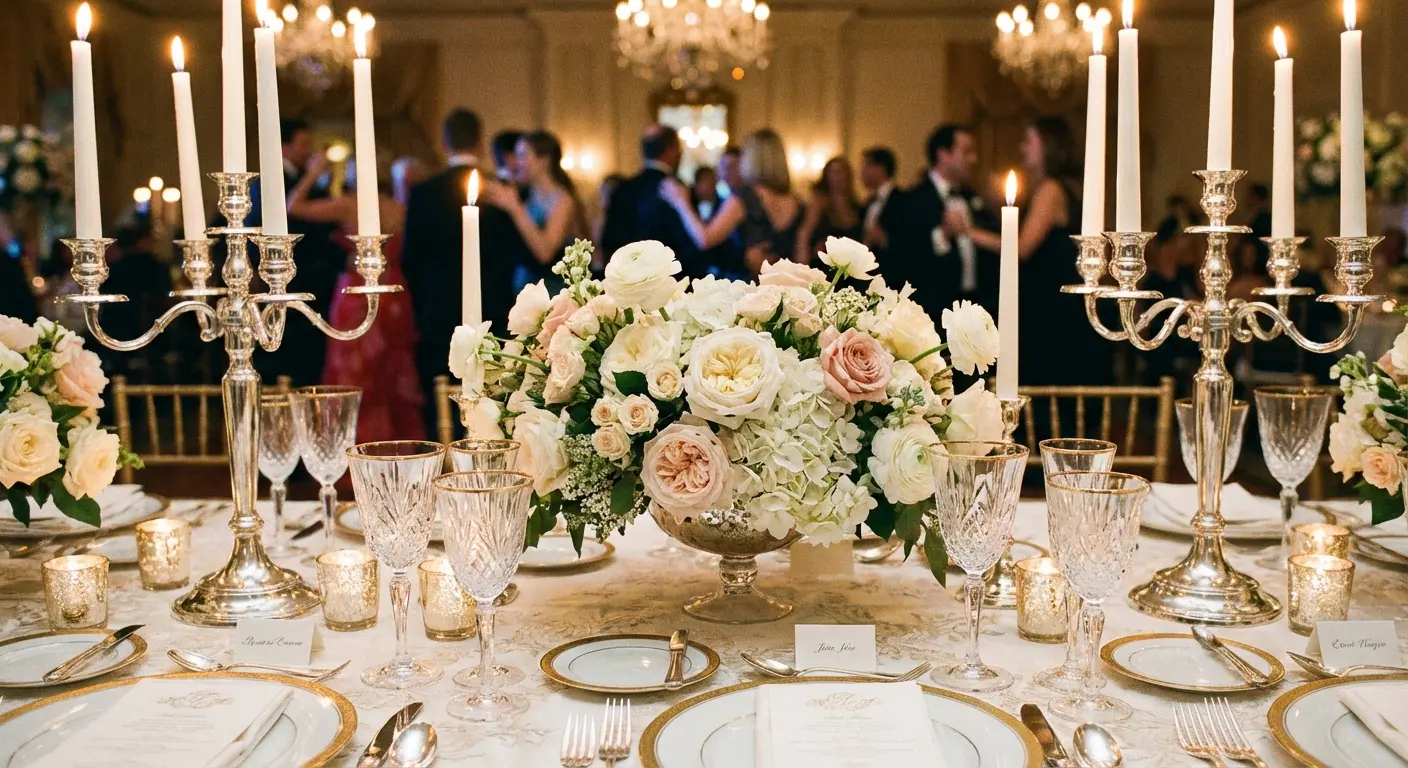
Candlelight flickering on crystal.
Clinking glasses and laughter.
Savory steak and rosemary.
The tight hug of a distant aunt.
The scent of expensive cologne and lilies.
Useful for a Maid of Honor recounting the vibe of the night. It preserves the party atmosphere better than a photo can.
Capture these moments forever with help from the Wedding Vow Generator
13. The Vows (Sensory Promise)
I promise to look at you with kindness.
I promise to listen to your worries.
I promise to hold you when you are cold.
I promise to cook your favorite spicy chili.
I promise to fill our home with the smell of laughter.
Create vows that actually make people cry using the Wedding Vow Generator
This makes abstract promises concrete. If you want your vows to hit home, check out these things to know before you write your wedding vows.
|
Abstract Vow (Boring) |
Sensory Vow (Memorable) |
|---|---|
|
“I promise to love you forever.” |
“I promise to hold your hand even when my arthritis flares up.” |
|
“I will make you happy.” |
“I will brew your coffee every morning so you wake up to the smell of home.” |
14. The Cake Cutting
Three tiers of white frosting.
The cheers of the crowd.
Sweet vanilla and almond sponge.
The sticky knife handle.
The smell of sugar and sparklers.
Focuses on a micro-moment. That “sticky knife handle” detail makes it feel real.
15. The Honeymoon Beach
Golden hour sun.
Reggae music in the distance.
Tropical fruit punch.
Sunburn heat on shoulders.
Ocean brine in the air.
A classic travel memory. It relies heavily on temperature and taste to convey that “vacation mode” feeling.
Category D: For the Foodies
If you’re writing about food, you have to make the reader hungry. It’s visceral.
16. The Pizza Box (Late Night)
Grease staining the cardboard.
The snap of the box opening.
Oregano and melted mozzarella scent.
Burning the roof of the mouth.
The stretchy cheese pull.
Universally relatable. We’ve all burned the roof of our mouth on pizza, right?

17. Morning Coffee
Dark liquid swirling.
The gurgle of the machine.
Roasted beans grinding.
The warmth of the ceramic mug.
Bitter acidity turning sweet.
A daily ritual that wakes up the reader.

18. Thanksgiving Dinner
A table full of browns and oranges.
The sound of football on TV.
Sage and roasting turkey.
Soft mashed potatoes.
Tart cranberry sauce.
Evokes nostalgia through specific flavor profiles.
Writing Tip: Try to layer two senses in one sentence.
Standard: The pie smelled like apples.
Layered: The cinnamon-spiced steam (Smell/Sight) rose from the crust that shattered (Sound/Texture) under my fork.
19. The Lemonade Stand
Bright yellow pitcher.
Ice cubes clinking against glass.
Sour citrus sting.
Sticky fingers.
The smell of cut grass nearby.
The “sticky fingers” detail is the anchor that makes this feel like childhood.
20. Fresh Bread
Golden crust rising.
Crackling as it cools.
Yeast and flour in the air.
Warm, soft interior.
Salty butter melting.
Warm and inviting. It relies mostly on smell, which is the strongest link to memory.
Category E: City Vibes
Poetry isn’t just for nature. The industrial world has its own intense sensory profile.
21. The City Rain
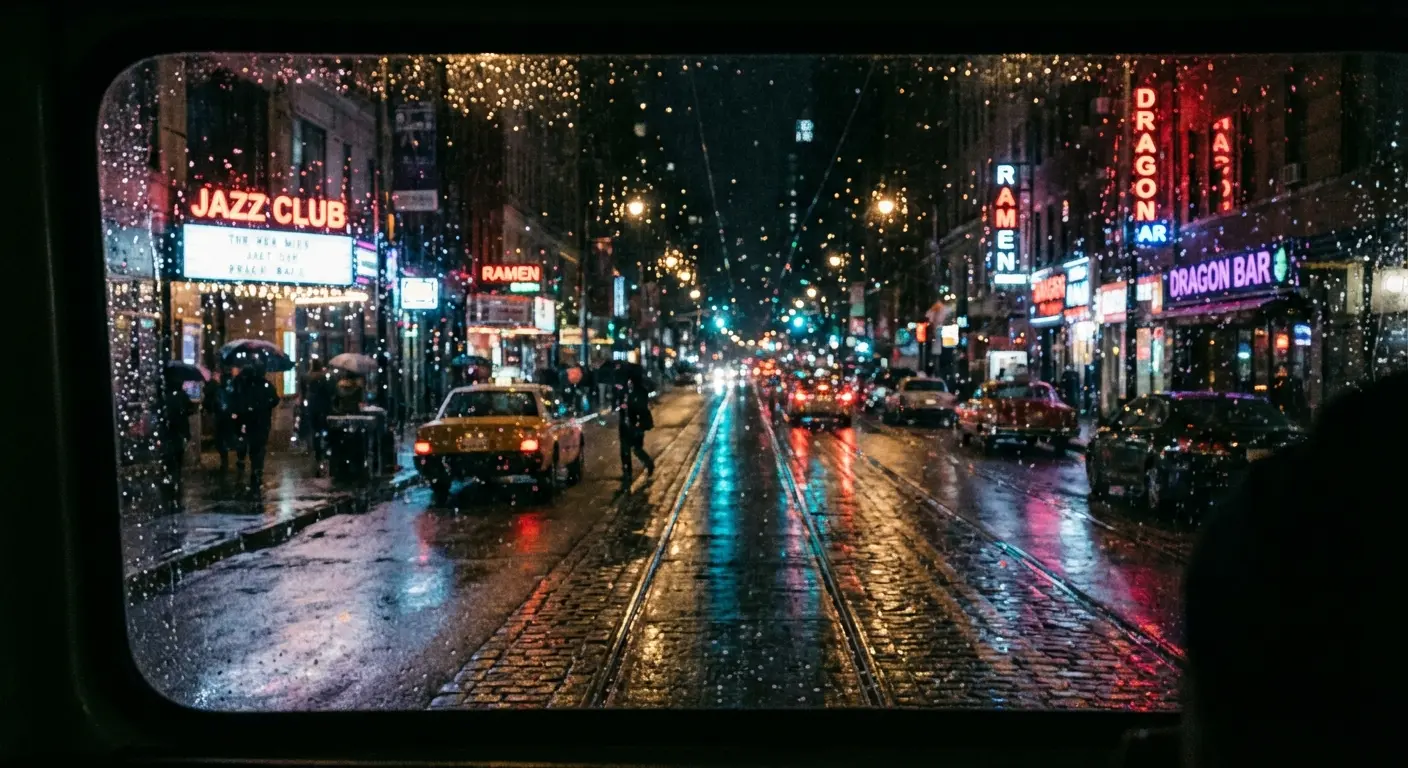
Neon lights reflecting on wet pavement.
Tires hissing on asphalt.
The smell of ozone and exhaust.
Cold droplets on the neck.
The metallic taste of city air.
Gritty and noir. It finds a weird beauty in the grayness.
22. The Subway Ride
Blur of tunnel lights.
Screeching metal wheels.
Stale air and perfume mix.
Jolting sway of the car.
Trying not to taste the air.
A negative sensory experience. Not all poems have to be pretty; this one conveys the chaos of commuting perfectly.
23. The Old Library
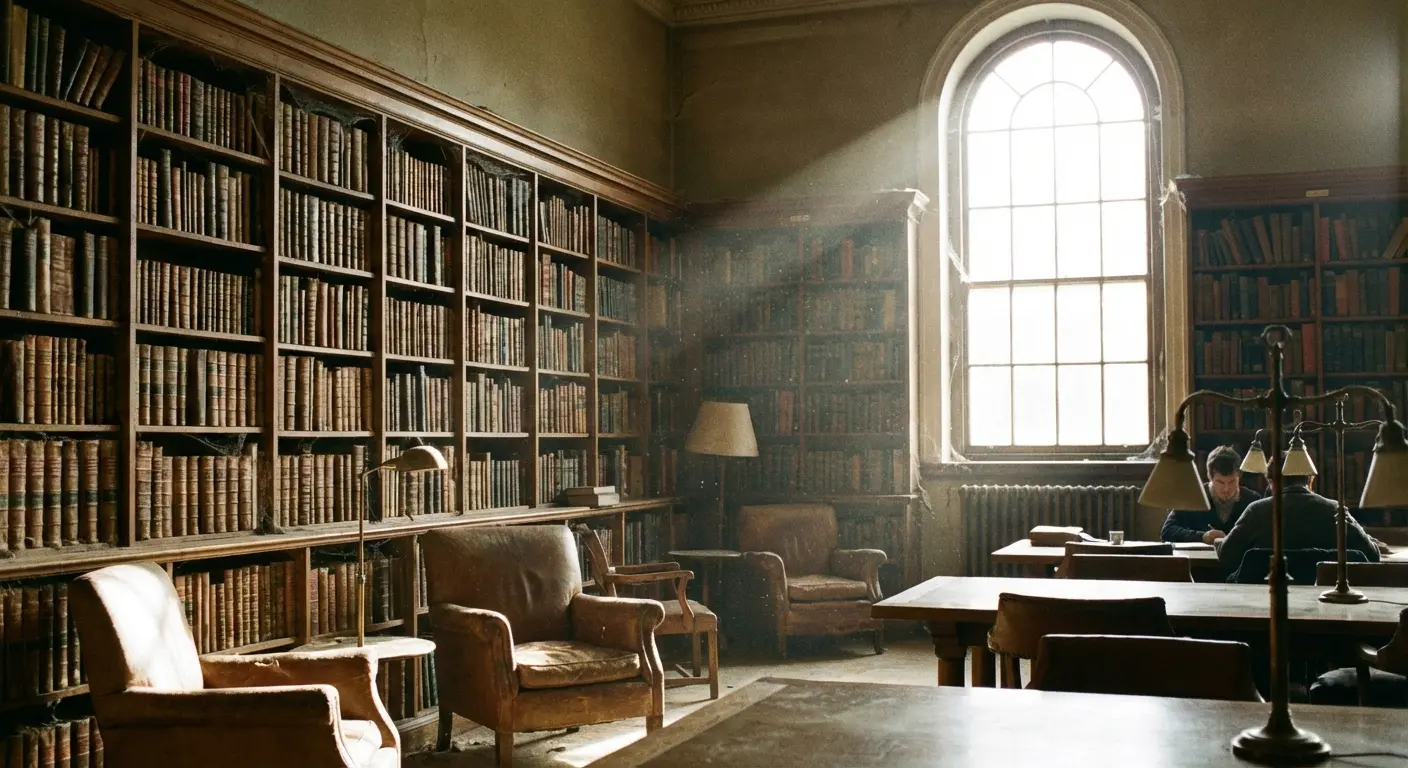
Rows of dusty spines.
Silence so heavy it hums.
The smell of vanilla in old paper.
Smooth wooden tables.
Dry air in the throat.
Atmospheric and quiet. “Silence so heavy it hums” is a feeling book lovers know well.
24. The Construction Site
Bright orange vests.
Jackhammers rattling teeth.
Dust and diesel fuel.
Vibrations through the soles of shoes.
Grit in the teeth.
High intensity. Uses vibration and sound to create an overwhelming experience.
25. The New Car
Pristine dashboard.
The heavy thud of the door closing.
That specific “new car” chemical smell.
Smooth leather steering wheel.
The anticipation on the tongue.
We all know that specific smell. It taps into a shared cultural experience.
How Sensory Details Save Your Wedding Day
You might be wondering what poetry has to do with planning a wedding. Here’s the reality: a wedding is the ultimate sensory experience. But usually, it gets ruined by stress. When you’re stressed, your senses shut down. You get tunnel vision. You don’t taste the cake. You don’t hear the music. You just hear the noise in your head.
|
Sense |
The Stress Scenario |
The “Bridesmaid for Hire” Fix |
|---|---|---|
|
Sight |
Staring at a stained tablecloth. |
Looking at your partner while we handle the mess. |
|
Sound |
Hearing family arguments. |
Hearing your favorite song while we intercept the drama. |
|
Taste |
Forgetting to eat all day. |
We hand you a slice of pizza before the reception starts. |
Write vows you’ll actually remember saying with the Wedding Vow Generator
The Connection
This is where Bridesmaid for Hire actually comes in. Jen Glantz and her team are basically sensory managers.
-
Sight: They handle the “pop-up problems” so you aren’t looking at a disaster; you’re looking at your guests.
-
Sound: Struggling to write a Maid of Honor speech? The team uses sensory writing techniques (like the examples above) to help you write toasts that are actually memorable, not just ramblings about “how much you love the bride.”
-
Touch: As Jen says, she’s the one to “unzip you when you need to pee” or bustle your dress. That’s the physical support you forget you need.
-
Smell: By acting as a “calming force,” they remove the sweat of stress, leaving only the good stuff.
If you need help articulating these details in a toast, our guide on how to write a Maid of Honor speech breaks down exactly how to use memories to engage the audience.
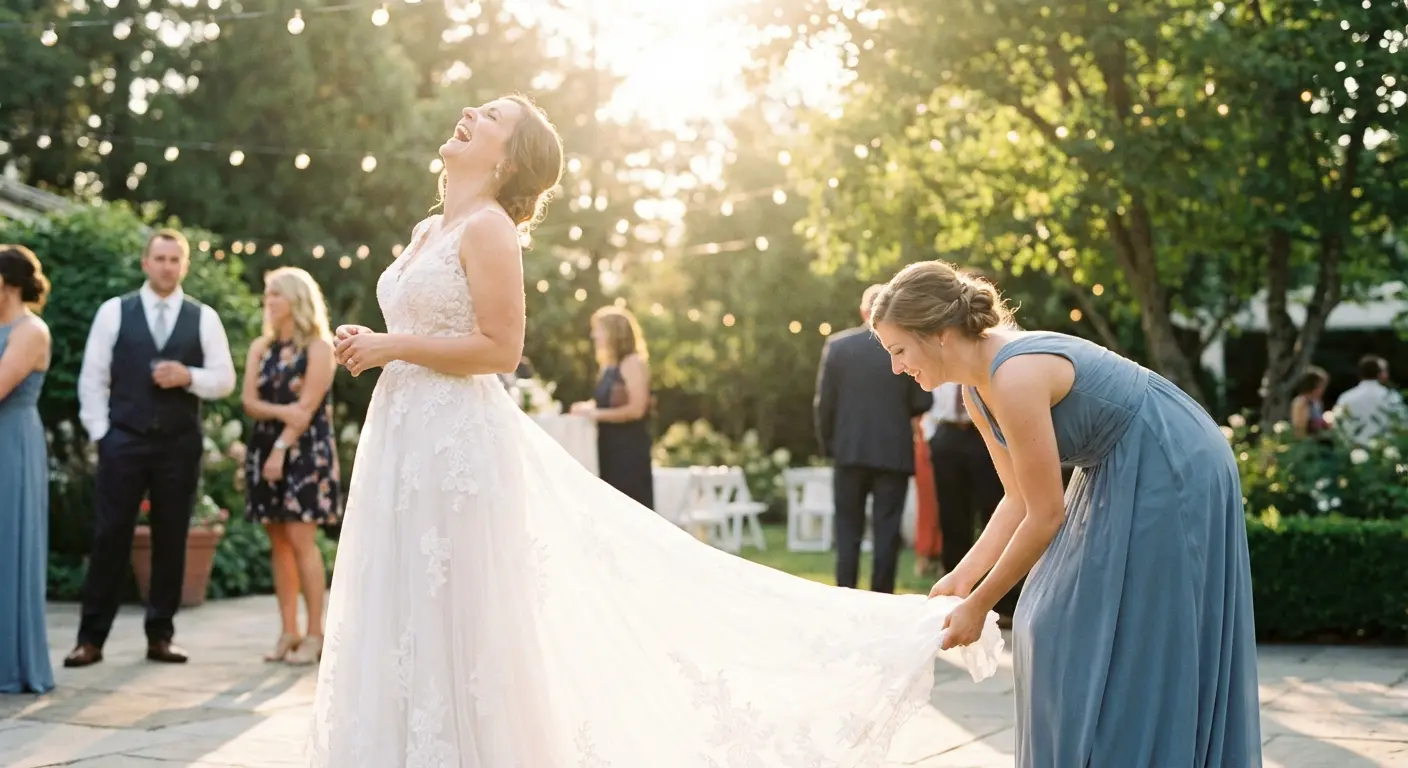
Don’t Let It Blur
Don’t let your wedding pass by in a gray blur. Whether you need a professional to manage the day so you can be present, or help writing a sensory poem for your vows, Bridesmaid for Hire ensures the experience is memorable for the right reasons. Reach out to the team and make sure you actually taste your own wedding cake.
Final Thoughts
Sensory writing is about more than just poetry. It’s about noticing your life. It’s about stopping the chaos of the day long enough to realize that the coffee smells like roasted nuts and the air feels cold. Use these examples to ground yourself. Use them to write better speeches. Use them to remember your life. Because if you aren’t using your senses, you’re just skimming the surface.
Related posts:






1-800-BRIDESMAID
The Newlywed
Card Game
something extra to love
Read the weekly newsletter from Bridesmaid for Hire, 1-800-Bridesmaid, to hear about real stories, from strangers, who need advice on love, life, friendship, and so much more.
Looking for the perfect wedding gift for someone you adore? Grab The Newlywed Card Game. It's a fun and interactive game they can play on their honeymoon or future date nights.