



25 Epic South America Itineraries That Will Transform Your Travel Dreams Into Reality
October 12, 2025
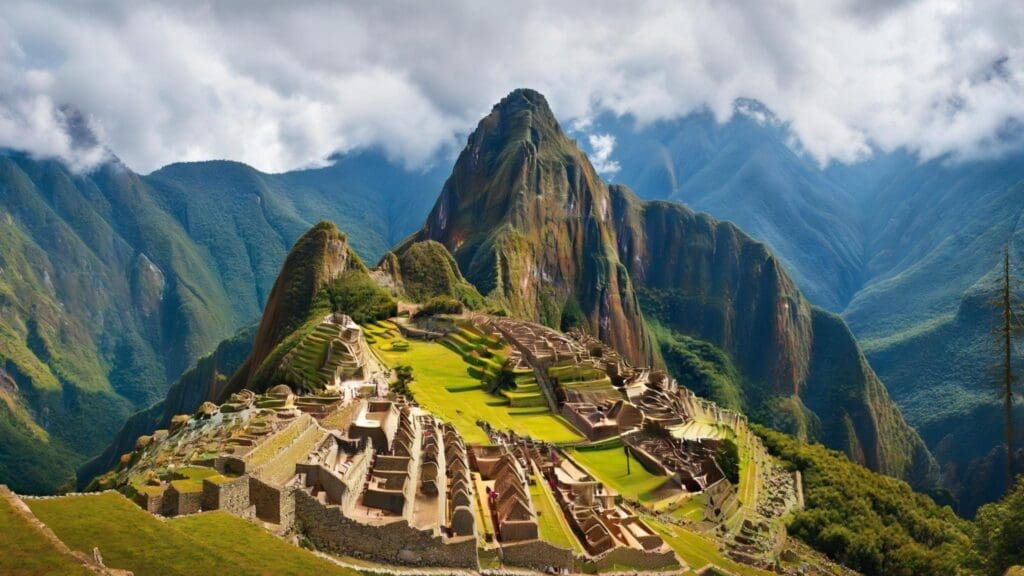

I remember staring at my world map years ago, tracing my finger along the spine of the Andes and wondering how anyone could possibly choose between Machu Picchu’s ancient mysteries and Patagonia’s wild landscapes. That overwhelming feeling of “where do I even start?” is exactly why you need a systematic approach to planning your south america trip.
One traveler documented spending 217 days exploring South America, covering over 17,000 kilometers across five countries and experiencing everything from 5,400-meter altitude peaks to jungle camping adventures (The Partying Traveler).
Let me be honest – planning South America made me want to throw my laptop out the window. There are SO many incredible places that choosing feels impossible. I literally spent three weeks going in circles before I figured out my approach. You’re looking at 12 countries, multiple climate zones, varying seasons, and experiences ranging from luxury wine tours to challenging high-altitude treks. The key isn’t trying to see everything – it’s choosing the right combination of destinations that match your interests, timeline, and travel style.
Plan your South America trip the smart way with our Vacation Planner

TL;DR
- South America offers 25 distinct itinerary types across six categories: Classic Highlights, Adventure & Outdoor, Cultural & Historical, Luxury & Comfort, Budget & Backpacker, and Specialized Interest tours
- Here’s what nobody tells you about South American seasons – they’re completely backwards from what you’d expect, and it’ll mess with your head. December-March is summer in Argentina/Chile but rainy season in Colombia/northern Peru
- Let’s talk money – and I mean REAL money, not those fantasy budgets you see online. Budget ranges span from $25-50/day for backpacker routes to $500+/day for ultra-luxury experiences, with most mid-range options falling between $80-150/day
- Your Instagram feed might look amazing, but your feet will be screaming after day 3. Physical demands vary significantly – Patagonia wilderness requires serious hiking fitness while luxury rail journeys need minimal physical preparation
- High-altitude destinations like Cusco (11,200 feet) will humble you real quick – you’ll need 2-3 days acclimatization and altitude sickness prevention planning
- Transportation complexity ranges from simple single-country routes to multi-flight international circuits requiring careful logistics coordination that’ll make your head spin
- Cultural preparation needs vary from minimal (luxury/adventure routes) to extensive (indigenous culture immersion experiences)
- Safety and health considerations include required vaccinations for Amazon regions, political stability monitoring for northern routes, and comprehensive travel insurance
Essential Planning Considerations for Your South America Adventure
Look, I’m gonna be real with you – South America’s seasons will mess with your brain. I remember booking my trip thinking “summer = hot everywhere,” only to pack tank tops for what turned out to be Chile’s winter. Rookie mistake that cost me a small fortune in emergency jacket shopping.
Here’s the thing nobody warns you about: while you’re dreaming of Patagonia hiking in December (which is actually perfect timing), northern Peru is getting dumped on with rain. It’s like the continent is playing some cosmic joke on travelers. When crafting your south america trip, understanding these seasonal variations becomes the foundation for successful trip planning.
Planning the perfect adventure requires the same attention to detail as organizing a major life event, where one missed detail can derail everything.
Use our Vacation Planner to organize your trip without the stress
| Planning Factor | What This Actually Means | Why It’ll Make or Break Your Trip |
|---|---|---|
| Timing & Seasonality | Half your dream destinations might be underwater or frozen when you want to go | Seriously eliminates most of your options before you even start |
| Budget Reality Check | That $50/day you budgeted? Maybe in Bolivia. Chile will laugh at your wallet | Determines if you’re eating street food or starving |
| Physical Demands | “Easy hiking” at 12,000 feet feels like dying | Could literally ruin your entire trip if you’re not honest about your fitness |
| Cultural Preparation | Knowing how to say “bathroom” in Spanish isn’t optional | The difference between amazing local connections and awkward confusion |
| Safety & Health | Yellow fever shots aren’t suggestions, they’re survival | Skip this and you might not make it past customs |
| Transportation Mess | Everything takes twice as long and costs twice as much as you think | Will eat your budget and your sanity if you don’t plan ahead |
Let me tell you about budget reality – I’ve seen too many people plan these fantasy $30/day trips only to blow their entire budget in the first week. Chile and Argentina will straight-up murder your wallet. I’m talking $15 for a basic sandwich, $200+ for decent hotels. Meanwhile, Bolivia is so cheap you’ll feel guilty paying $3 for a full meal.
Here’s what actually happened to my budget: Planned for $75/day average across four countries. Reality? Bolivia: $35/day (living like a king), Peru: $60/day (pretty comfortable), Chile: $150/day (ouch), Argentina: $120/day (wine helped the pain). Average ended up being $91/day, and that’s with serious budget consciousness.
The altitude thing is no joke either. I watched a guy from Texas – marathon runner, super fit – get absolutely destroyed by Cusco’s elevation. Spent three days in his hotel room feeling like death. Don’t be that guy. Give yourself time to adjust, drink gallons of coca tea, and accept that you’ll move like a sloth for the first few days.
Classic Highlights: Perfect First-Timer Routes
These are your “greatest hits” routes – the ones that’ll give you those Instagram shots and dinner party stories without completely overwhelming you. Think of them as South America 101.
1. The Grand South America Circuit
This is the “I want to see everything and I have the time and money to do it” option. Fair warning – it’s ambitious as hell, but if you pull it off, you’ll have bragging rights for life.
Starting in Lima is smart because the food scene will ruin you for everywhere else. I’m talking about meals that’ll make you question everything you thought you knew about flavor. Then you fly to Cusco, where the altitude will humble you real quick.
Bolivia’s portion is where things get wild. La Paz feels like another planet – literally the highest capital city in the world – and the markets are sensory overload in the best way. Then there’s Uyuni, which is either a mirror reflecting the sky or a geometric wonderland depending on when you go. Both are mind-blowing.

Chile brings you back to civilization with Santiago’s wine and Valparaíso’s crazy colorful chaos. Argentina hits you with Buenos Aires – think European elegance meets Latin passion, with steaks that’ll ruin you for beef anywhere else.
Brazil’s the grand finale with Rio’s beaches and São Paulo’s urban madness. By this point, you’ll be exhausted, broke, and completely addicted to South American travel.
Transportation is where this gets expensive fast. Those flights add up quicker than drinks at an open bar. Budget $200-400 per flight segment, and there are a lot of segments.
Best timing? April-May or September-October when you won’t freeze in Patagonia or drown in northern rain. Avoid December-February unless you enjoy crowds and inflated prices.
2. Andean Discovery Journey
This is my personal favorite for first-timers who want depth over breadth. Ecuador, Peru, and Colombia give you the full Andean experience without the logistical nightmare of too many countries.
Ecuador’s where you ease in. Quito’s colonial center is gorgeous, and the Galápagos… look, I know it’s expensive, but it’s one of those once-in-a-lifetime things. You’ll spend more than your rent, but you’ll swim with sea lions and not regret a penny.
Peru’s the main event. Lima’s food scene is world-class, Cusco’s history is mind-bending, and Machu Picchu… well, it lives up to the hype. Just book your train tickets early or you’ll be stuck with the expensive last-minute options.
Colombia’s the surprise star. Cartagena’s colonial walls and Caribbean vibe, Medellín’s incredible transformation story – this country’s having a moment, and rightfully so.
The route works year-round, but June-September gives you the best weather across all three countries.
Build your dream itinerary with our easy-to-use Vacation Planner
3. Southern Cone Wine & Culture Adventure
This is for the sophisticated traveler who wants good wine, great food, and European flair without leaving South America. Chile, Argentina, and Uruguay are basically South America’s grown-up corner.
Santiago’s surprisingly cosmopolitan – think California meets Europe. The nearby wine valleys are world-class, and the tastings… let’s just say pace yourself. Valparaíso is where artists go to be weird and wonderful.
Buenos Aires is like Paris had a baby with Madrid and raised it on beef and tango. The neighborhoods each have their own personality – Palermo’s trendy, San Telmo’s traditional, Recoleta’s posh.
Uruguay’s the hidden gem. Montevideo’s charming, and Punta del Este is where rich South Americans go to see and be seen. It’s expensive but worth experiencing the lifestyle.
This route works year-round, but March-May and September-November are perfect – great weather, fewer crowds, and the wine harvest season in some areas.
4. Complete Brazil Immersion
Brazil’s huge – like, really huge. Trying to see it all is like trying to see all of the US in one trip. But if you focus on the highlights, you’ll get a taste of this incredible country’s diversity.
Rio’s the obvious start – beaches, Christ the Redeemer, and enough caipirinhas to forget your name. But don’t skip the favela tours with responsible operators. It’s eye-opening and important for understanding the real Brazil.
São Paulo’s the cultural powerhouse. It’s massive and can be overwhelming, but the art scene, food, and energy are incredible. Give it at least three days to really appreciate it.
The Amazon from Manaus is a must. Yes, it’s hot, humid, and full of bugs, but swimming with pink dolphins and sleeping in the jungle is unforgettable. Just bring serious bug spray.
The Pantanal’s your best bet for wildlife outside the Amazon. Jaguars, caimans, and birds everywhere. It’s like a nature documentary come to life.
Adventure & Outdoor Expeditions for Thrill Seekers
Alright, adrenaline junkies, this is your section. These routes will test your limits, empty your bank account, and give you stories that’ll make everyone else’s vacation photos look boring.
5. Patagonia Wilderness Expedition
Let me be blunt – Patagonia doesn’t mess around. This isn’t a casual hiking trip; it’s serious wilderness that demands respect, preparation, and a healthy dose of masochism.
Torres del Paine’s W Trek is the gateway drug. Five days of stunning scenery and enough wind to blow you into next week. The full circuit is for masochists who think the W Trek is too easy. Did it once, questioned my life choices daily, would do it again in a heartbeat.

The weather’s bipolar – sunshine, rain, wind, and hail all in one afternoon. I’ve seen people’s tents literally blow away. Pack like you’re going to war with Mother Nature, because you are.
El Calafate and Perito Moreno Glacier are more accessible but no less impressive. Walking on a glacier is surreal – like being on another planet made of ice. Just don’t fall into a crevasse.
Flights can get cancelled for days due to wind. I’m not kidding – the wind in Patagonia is legendary. Build buffer days into your schedule or risk missing your international flight home.
Avoid logistical nightmares—start with our Vacation Planner
Budget serious money for gear if you don’t have it. Quality rain gear isn’t optional; it’s survival equipment.
6. Amazon Basin Deep Dive
The Amazon’s not just a destination; it’s an experience that’ll change how you see the world. It’s also hot, humid, buggy, and occasionally terrifying in the best possible way.
Peru’s Amazon via Iquitos gets you deep into the jungle fast. The lodges range from basic (shared bathrooms, mosquito nets, hope for the best) to luxury (air conditioning, private bathrooms, and someone else deals with the bugs).
Reality check on Amazon lodges: That “rustic charm” in the brochure? It means your shower might be cold, your room might have uninvited wildlife guests, and you’ll hear every sound the jungle makes at 3 AM. It’s part of the experience, but manage your expectations.
Ecuador’s Yasuni is incredible for biodiversity, but getting there requires commitment. The community visits are humbling – these people know more about the forest than most scientists.
Brazil’s Amazon via Manaus is the most accessible option. The Meeting of Waters where two rivers flow side by side without mixing is genuinely mind-blowing. Plus, Manaus has actual restaurants and hotels for when you need a break from jungle life.
Health prep is serious business. Yellow fever shots are mandatory, malaria pills are recommended, and a comprehensive first aid kit isn’t optional. The nearest hospital might be days away by boat.
7. Andes Trekking Circuit
High-altitude trekking is addictive, but it’ll also kick your butt if you’re not prepared. These aren’t casual day hikes – they’re multi-day commitments in thin air.
Peru’s got options beyond the overcrowded Inca Trail. The Huayhuash Circuit is stunning but brutal – 8-10 days of high-altitude hiking with passes over 16,000 feet. I’ve seen grown men cry (altitude does weird things to emotions).
Bolivia’s Cordillera Real is for serious mountain people. The scenery’s incredible, but the altitude and remoteness mean self-sufficiency is crucial. If something goes wrong, you’re on your own.
Ecuador’s Quilotoa Loop is perfect for beginners or altitude acclimatization. The crater lake hike is manageable, and the indigenous villages are authentic cultural experiences.
Altitude sickness is real and doesn’t discriminate. I’ve seen marathon runners get hammered while couch potatoes adapt fine. Listen to your body, ascend slowly, and don’t be a hero.
Gear matters at altitude. Temperature swings are extreme – blazing sun during the day, freezing
Gear matters at altitude. Temperature swings are extreme – blazing sun during the day, freezing at night. A good sleeping bag and layers are life-savers.
8. Pacific Coastal Adventure
This is adventure without the extreme altitude – perfect if you want thrills without risking altitude sickness or technical climbing skills.
Chile’s Atacama Desert is like Mars with better Wi-Fi. The landscapes are so otherworldly that NASA tests equipment there. San Pedro de Atacama is tourist central, but the surrounding desert is pure magic.

The Tatio Geysers require a 4 AM start, but watching the sunrise over steaming geysers at 14,000 feet is worth the early alarm. Just bring warm clothes – it’s freezing at dawn.
Peru’s coast is underrated. The Nazca Lines flight is touristy but amazing – ancient geoglyphs that make you wonder what the hell the ancients were thinking. Huacachina Oasis is pure fun – sandboarding and dune buggy rides around a desert lagoon.
Surfing’s excellent along the entire coast. Peru’s got consistent waves and cheap boards. Ecuador’s coast is warmer but less consistent. Chile’s for serious surfers who don’t mind cold water.
The marine wildlife’s incredible – penguins in the desert, sea lions everywhere, and whale migrations that’ll blow your mind. Boat tours are cheap and worth every penny.
Cultural & Historical Deep Dives
These routes are for travelers who want to understand South America’s soul, not just see its sights. They require homework, cultural sensitivity, and an open mind, but they’ll give you insights that last a lifetime.
9. Pre-Columbian Civilizations Trail
This isn’t just looking at old rocks – it’s understanding civilizations that were building incredible structures while Europe was still figuring out basic hygiene.
Peru’s archaeological sites go way beyond Machu Picchu. Sacsayhuamán’s massive stones were cut so precisely you can’t fit a knife blade between them. No mortar, no modern tools, just incredible engineering that still baffles experts.
The Nazca Lines are genuinely mysterious. Giant drawings in the desert that only make sense from the air, created by people who couldn’t fly. The theories range from reasonable to completely bonkers, but seeing them is unforgettable.
Bolivia’s Tiwanaku is older than the Inca Empire and just as impressive. The precision of the stonework and the astronomical alignments show these weren’t primitive people – they were sophisticated engineers and astronomers.
Colombia’s San Agustín is the hidden gem. Hundreds of mysterious stone statues in a remote location with minimal crowds. It feels like discovering something yourself rather than following tourist hordes.
Cultural prep is crucial. Reading about these civilizations before you go transforms piles of stones into windows into incredible societies. Without context, you’re just looking at old rocks.
10. Colonial Heritage Discovery
Spanish colonial architecture tells the story of conquest, adaptation, and cultural fusion. Each city shows how European ideas adapted to local conditions and indigenous influences.
Cartagena’s the poster child for Caribbean colonial architecture. Those massive walls weren’t just pretty – they were protection against pirates and foreign invasion. Walking the walls at sunset while sipping rum is mandatory.

Quito’s historic center is incredibly well-preserved, partly because it’s been isolated by geography. The baroque churches are over-the-top gorgeous, with gold leaf and indigenous artistic influences creating unique fusion styles.
Cusco’s the mind-bender – Spanish colonial built literally on top of Inca foundations. You can see the contrast between Inca precision and Spanish construction techniques on the same street.
Sucre’s the purest example of Spanish colonial planning – white buildings, red tiles, and a grid layout that hasn’t changed in centuries. It’s like stepping back in time.
Walking tours with knowledgeable guides transform these cities from pretty backdrops into living history lessons. The stories behind the buildings are often more fascinating than the architecture itself.
11. Indigenous Cultures Experience
This requires serious cultural sensitivity and preparation. You’re not visiting a museum – you’re entering living communities with their own customs, challenges, and perspectives.
Lake Titicaca’s floating islands are touristy but authentic. The Uros people have lived on these reed islands for centuries, adapting to one of the world’s highest navigable lakes. Homestays provide real cultural exchange, not just photo opportunities.
Ecuador’s Otavalo market is one of the few places where indigenous commerce still thrives on traditional terms. The textiles are incredible, but the cultural exchange is more valuable than any souvenir.
Sacred Valley communities maintain Quechua language and traditional practices despite tourism pressure. Community tourism projects let you participate in daily life rather than just observe it.
Understanding indigenous traditions requires the same respectful preparation as learning proper wedding etiquette – cultural sensitivity determines meaningful connections.
Learn basic Quechua or Aymara phrases. Even attempting the local language shows respect and opens doors. Photography requires permission and often involves community fees – respect their rules.
These aren’t museum pieces – they’re living cultures dealing with modern challenges while maintaining traditional ways. Approach with humility and genuine interest, not just Instagram opportunities.
12. Literary South America Journey
This is for book nerds who want to walk where literary giants found their inspiration. Trust me, reading García Márquez in Cartagena hits different than reading him on your couch.
Valparaíso’s got three Pablo Neruda houses, but La Sebastiana’s the one that’ll give you chills. Standing where he wrote some of his best poetry while staring at the Pacific… it’s powerful stuff. The city’s bohemian chaos makes perfect sense when you understand it shaped one of literature’s greatest voices.
Buenos Aires is Borges territory. The guy practically lived in cafés, and you can still sit where he sat at Café Tortoni. The city’s European architecture and intellectual café culture aren’t just pretty – they’re the backdrop that created magical realism before it had a name.
Cartagena’s where García Márquez magic happens. Those colonial streets and Caribbean heat aren’t just atmospheric – they’re literally the setting for “Love in the Time of Cholera.” Walking those same streets while the novel’s scenes play in your head is surreal.
Lima’s Mario Vargas Llosa country. The social contrasts he wrote about are still visible today – wealthy Miraflores next to struggling downtown areas. His novels make more sense when you see the city’s contradictions firsthand.
Do your homework before you go. Reading the major works transforms these cities from tourist stops into literary pilgrimages. Book clubs and literary tours help, but nothing beats experiencing the places that inspired the words.
Luxury & Comfort Experiences
Okay, let’s talk about the good life. These routes are for when you want South American adventures without sleeping in hostels or eating street food of questionable origin.
13. Premium Rail & Wine Journey
This is how you do South America when money isn’t the primary concern. The Belmond Hiram Bingham train to Machu Picchu isn’t just transportation – it’s an experience that costs more than most people’s entire Peru budget but delivers memories worth every penny.
The train’s got panoramic windows, gourmet meals, and live entertainment. You’ll sip pisco sours while watching the Sacred Valley roll by, feeling very sophisticated until you remember you’re about to climb ancient ruins in the morning.
Chile’s wine regions are world-class, and the luxury experiences match. Private helicopter tours over vineyards, exclusive tastings with winemakers, and dinners that pair perfectly with wines you can’t pronounce but definitely want to drink.

Argentina’s Mendoza takes wine seriously. The luxury lodges aren’t just places to sleep – they’re experiences with private sommeliers, vineyard views, and restaurants that make you understand why people become food snobs.
Budget $8,000-15,000 for 2-3 weeks if you’re doing this right. Yes, it’s expensive, but you’ll never forget sipping world-class Malbec while watching the Andes turn pink at sunset.
14. High-End City & Beach Escape
This combines urban sophistication with beach luxury – think cosmopolitan cities and exclusive coastal experiences without a backpack in sight.
Rio’s luxury game is strong. The Copacabana Palace isn’t just a hotel – it’s an institution. Private Christ the Redeemer tours mean no crowds, exclusive favela experiences provide cultural perspective without safety concerns, and beach clubs offer refined coastal living.
Punta del Este is where wealthy South Americans go to see and be seen. It’s expensive as hell, but the beach clubs, restaurants, and general sophistication make it worth experiencing at least once. Summer season (December-March) is when it really comes alive.
Buenos Aires luxury means boutique hotels in Palermo, private tango lessons, and restaurant reservations that regular tourists can’t get. The city’s European sophistication shines when you’ve got the budget to really experience it.
Private transportation eliminates the stress of navigating public systems or sketchy taxi situations. First-class flights, private transfers, and luxury coaches maintain comfort throughout.
15. Exclusive Wildlife & Luxury Lodges
Wildlife viewing doesn’t have to mean sleeping in tents and eating canned beans. These luxury options combine incredible animal encounters with serious comfort.
Galápagos luxury cruises are expensive ($800-1,500 daily) but transform wildlife viewing from endurance test to pure enjoyment. Small groups, expert naturalists, gourmet meals, and comfortable cabins make the experience about the animals, not surviving the accommodations.
Amazon luxury lodges prove you can experience the jungle without sacrificing comfort. Air conditioning, private bathrooms, gourmet cuisine, and expert guides mean you focus on pink dolphins and exotic birds instead of bug bites and cold showers.
Patagonia eco-lodges like EcoCamp offer sustainable luxury with spectacular Torres del Paine access. Comfortable beds, quality food, and spa services after long hiking days – it’s wilderness with style.
Argentina’s Peninsula Valdés combines whale watching with luxury estancia stays. These working ranches offer gourmet meals, comfortable accommodations, and exclusive wildlife access that day-trippers miss.
16. Gourmet South America Tour
South America’s food scene has exploded internationally, and experiencing it at the source is incredible. This is for serious food lovers who want to understand the continent through its cuisine.
Lima’s restaurant scene rivals anywhere in the world. Central, Maido, Astrid y Gastón – these aren’t just restaurants, they’re culinary institutions. The fusion of indigenous, Japanese, and Spanish influences creates flavors you can’t find anywhere else.
Cooking classes with professional chefs provide hands-on experience with techniques passed down through generations. Market tours reveal ingredient sourcing and traditional preparation methods that give context to the final dishes.
Chilean wine regions offer food and wine pairing experiences that’ll ruin you for casual dining. The country’s diverse geography creates unique wine styles perfectly paired with local ingredients and traditional preparations.
Buenos Aires steakhouses aren’t just about beef – they’re cultural institutions. Learning proper parrilla techniques, understanding different cuts, and experiencing the social aspects of Argentine dining culture provides deep cultural insight.
Budget & Backpacker Routes
Alright, broke travelers, this section’s for you. These routes prove you can have incredible South American experiences without trust fund money, but they require flexibility, patience, and a sense of humor about discomfort.
17. Classic Gringo Trail Adventure
The Gringo Trail is legendary for good reason – it’s the most efficient way to see South America’s highlights on a shoestring budget. The infrastructure exists because millions of backpackers have perfected this route.
Transportation’s all about buses. Long-distance buses ($20-60 between major cities) are your lifeline. Overnight buses save accommodation costs but prepare for questionable comfort and interesting smells from fellow passengers.
Hostel dormitories ($8-25 nightly) are social hubs where you’ll meet travel partners, get insider tips, and occasionally lose sleep to snoring roommates. Chains like Loki and Wild Rover provide consistent quality and party atmosphere.
Street food ($2-5 meals) is where you’ll discover incredible flavors and occasionally questionable hygiene. Local markets offer authentic experiences and prices locals actually pay. Hostel kitchens become essential for budget management.
The classic route flows: Cartagena → Quito → Cusco → La Paz → Uyuni → Atacama → Santiago → Buenos Aires → Rio. Variations depend on seasons, personal interests, and how much your feet hurt.
Social aspects are huge on this route. You’ll make friends from around the world, join impromptu groups for activities, and share experiences that bond you for life. The backpacker community provides safety through numbers.
Daily budget $25-50 covers basics but requires constant budget consciousness. Splurges happen, but discipline keeps you on track for extended travel.
18. Andean Budget Circuit
Three countries with excellent backpacker infrastructure and incredible value. Peru, Bolivia, and Ecuador offer authentic experiences without breaking the bank.
Peru’s budget options work if you’re flexible about comfort. Local buses take forever but cost almost nothing. Basic hostels provide clean beds and social atmosphere. Street food’s incredible – ceviche from a cart tastes better than restaurant versions.
Bolivia’s ridiculously cheap once you’re there. Accommodation, food, and local transport cost almost nothing. Uyuni Salt Flats tours ($150-200 for 3 days) provide spectacular experiences at reasonable prices. The altitude’s free but brutal.
Ecuador’s compact size reduces transport costs while offering incredible diversity. Budget accommodations and local food keep costs low while providing authentic experiences.

Local transportation includes chicken buses (exactly what they sound like), shared taxis, and basic bus services. Comfort’s optional, adventure’s guaranteed.
Cultural experiences emphasize free activities – walking tours, market visits, and cultural sites with minimal entrance fees. The best experiences often cost nothing but time and curiosity.
19. Brazil Backpacker Special
Brazil’s huge and can be expensive, but strategic planning opens up incredible experiences for budget travelers.
Rio’s hostel scene in Copacabana and Ipanema provides beach access, social atmosphere, and reasonable prices. Free walking tours reveal the city’s complexity beyond tourist attractions. Public transport’s efficient and cheap.
São Paulo’s cultural depth doesn’t require big budgets. Free museums, diverse neighborhoods accessible by metro, and incredible street food scenes provide authentic experiences. The city’s size requires focused planning to avoid expensive mistakes.
Salvador’s Afro-Brazilian culture comes alive through free cultural events, historic center exploration, and affordable local cuisine. The city’s compact historic area enables walking exploration that saves transport costs.
Long-distance buses ($30-80 between major cities) connect all destinations with varying comfort levels. Book couchette options for overnight comfort without hotel costs.
Beach destinations offer budget accommodations and free activities. Hostel beach towns provide social atmosphere, affordable dining, and natural entertainment that doesn’t cost extra.
20. Northern Circuit Budget Explorer
This region’s less
This region’s less touristed, which means fewer crowds but requires more flexibility and current safety research.
Colombia’s budget travel has improved dramatically with infrastructure development and safety improvements. Caribbean coast, coffee region, and major cities offer hostel networks and reasonable costs.
Transportation relies on extensive bus networks and shared transportation. River transport in interior regions adds adventure elements while keeping costs reasonable.
The region’s cultural diversity provides unique experiences – indigenous communities, colonial architecture, and linguistic variety. Limited tourist infrastructure keeps costs low but requires patience and flexibility.
Specialized Interest Tours
These routes cater to specific passions. They’re not for everyone, but if they match your interests, they’ll provide focused experiences that generic tours can’t match.
21. Photography Expedition
This is for serious photographers who prioritize the shot over comfort. Timing, equipment, and patience become crucial for capturing South America’s most spectacular images.
Uyuni Salt Flats require specific timing for different effects. Rainy season (December-March) creates mirror reflections, dry season provides geometric salt patterns. Both are spectacular but completely different photographic opportunities.
Atacama Desert offers world’s clearest skies for astrophotography. The combination of high altitude, dry conditions, and minimal light pollution creates optimal conditions for night photography that’ll blow your mind.
Rainbow Mountain (Vinicunca) requires early morning departure for optimal lighting and fewer crowds. The 5,200-meter altitude’s brutal, but the colors are unreal when lighting conditions align perfectly.

Equipment considerations include weather protection (everything gets dusty/wet), backup batteries (cold kills battery life), and altitude effects on electronic gear. Professional workshops in major cities provide local knowledge and technique refinement.
22. Wildlife & Conservation Focus
This combines incredible wildlife viewing with education about conservation challenges and success stories. It’s eye-opening and occasionally heartbreaking.
Galápagos conservation programs demonstrate both successes and ongoing challenges. Strict visitor guidelines protect ecosystems while educational programs explain species protection efforts and research programs.
Amazon regions showcase biodiversity while highlighting deforestation pressures. Conservation lodges provide economic alternatives to resource extraction while supporting local communities and research programs.
Pantanal demonstrates successful conservation through sustainable ranching and wildlife tourism. Jaguar populations have recovered through protection programs and community involvement.
23. Spiritual & Wellness Journey
This requires cultural sensitivity and open-mindedness. Sacred sites and indigenous traditions demand respectful approach and genuine interest in spiritual growth.
Sacred Valley’s spiritual sites include energy centers, astronomical alignments, and traditional ceremony locations. Local shamans offer authentic experiences, but research thoroughly – there are plenty of tourist traps mixed with genuine spiritual guides.
Ayahuasca retreats require serious preparation, medical screening, and psychological readiness. Legitimate centers provide safe environments, but this isn’t casual tourism – it’s potentially life-changing spiritual work.
Cultural preparation involves understanding indigenous spiritual practices, meditation experience, and respect for different approaches to spirituality and healing.
24. Extreme Sports Circuit
This targets serious adrenaline junkies with technical skills and appropriate fitness levels. These aren’t beginner activities.
Chilean Andes skiing (June-September) offers world-class terrain and reliable snow. Resorts like Valle Nevado provide challenging runs, while heli-skiing options exist for expert skiers with serious budgets.
Patagonian mountaineering includes technical climbs requiring extensive experience. Fitz Roy and Cerro Torre are legendary challenges with unpredictable weather and technical difficulty.
Safety considerations include comprehensive insurance, emergency evacuation coverage, and professional guide requirements. Medical facilities may be limited or nonexistent in remote locations.
25. Volunteer & Impact Travel
This combines meaningful work with cultural immersion. Advance planning and realistic skill assessment ensure productive contributions rather than disaster tourism.
Educational projects in rural areas include English teaching, computer literacy, and infrastructure development. Teaching experience helps but isn’t always required – enthusiasm and patience matter more.
Environmental conservation work ranges from reforestation to wildlife monitoring. Projects vary from 1-4 weeks with different skill requirements and physical demands.
Volunteer preparation requires the same thorough planning as organizing major events – preparation and cultural sensitivity determine success.
Cultural exchange emphasizes learning from communities while contributing skills and labor. Homestays provide authentic experiences while supporting local economies.
Detailed Itinerary Breakdowns: Two Complete Examples
Let me show you how these theoretical itineraries actually work in practice. The devil’s in the details, and these breakdowns reveal the real logistics behind the dream trips.
Complex Option: The Grand South America Circuit (4 weeks)
Week 1: Peru Reality Check
Days 1-2 in Lima aren’t just tourist stops – they’re jet lag recovery and culture shock absorption. That first ceviche will ruin you for seafood anywhere else, but ease into the spice levels unless you enjoy intestinal adventure.
Days 3-5 in Cusco are altitude survival training. I don’t care how fit you are – 11,200 feet will humble you. Walk slowly, drink coca tea constantly, and don’t be a hero. Sacred Valley day trips help acclimatization while providing incredible Inca site access.
Days 6-7 deliver Machu Picchu magic, but book train tickets months ahead or pay premium prices. Overnight in Aguas Calientes is expensive but necessary for early citadel entry. Trust me, those sunrise photos are worth the hotel cost.
Week 2: Bolivia’s Beautiful Brutality
Days 8-10 in La Paz introduce you to the world’s highest capital. The altitude’s worse than Cusco, but the indigenous markets and Moon Valley landscapes are incredible. Soroche pills help with altitude sickness.
Days 11-13 bring the famous Uyuni tour – three days of spectacular landscapes and basic accommodations. Salt hotels are exactly what they sound like – walls made of salt blocks. It’s rustic but unforgettable.
Day 14 in San Pedro de Atacama provides desert contrast and Chilean infrastructure relief after Bolivia’s challenges.
Week 3: Chile & Argentina Sophistication
Days 15-16 showcase Santiago’s urban sophistication with Valparaíso’s coastal charm. The contrast between modern Santiago and bohemian Valparaíso demonstrates Chile’s diversity.
Days 17-19 immerse you in Buenos Aires culture. The city’s European architecture, tango culture, and steak obsession create unique South American sophistication. Tigre Delta day trips provide natural contrast.
Days 20-21 at Iguazu Falls require both Argentine and Brazilian sides for complete experience. The falls are genuinely spectacular – photos don’t capture the power and scale.
Week 4: Brazil Grand Finale
Days 22-24 in Rio provide classic experiences – Christ the Redeemer, Sugarloaf, beach culture. Favela tours with responsible operators offer important social perspective.
Days 25-26 in São Paulo showcase Brazil’s cultural capital with museums, diverse neighborhoods, and innovative restaurants. The city’s size requires focused planning.
Days 27-28 allow departure prep or Amazon extension for travelers with extra time and budget.
Simple Option: Andean Discovery (2 weeks)
Days 1-4: Quito Foundations
Colonial Old Town walking tours provide historical context for Spanish conquest and indigenous resistance. The architecture tells stories of cultural collision and adaptation.
Otavalo market day trips showcase living indigenous culture rather than museum pieces. Saturday markets offer optimal selection and authentic cultural atmosphere.
Equator monument visits provide geographic novelty and science demonstrations that are genuinely interesting, not just photo opportunities.
Days 5-8: Galápagos Reality Check
Look, the Galápagos will destroy your budget, but it’s one of those “shut up and pay” experiences. Whether you do a cruise or land-based exploration, you’re looking at serious money – but swimming with sea lions and watching blue-footed boobies do their mating dance is worth eating ramen for months afterward.
The wildlife’s genuinely fearless. I had marine iguanas sunbathing on my feet while I tried to take photos. It’s surreal and magical, but also humbling when you realize how fragile these ecosystems are.
Days 9-11: Lima & Cusco Transition
Lima’s food scene will ruin you for everything else. Take a food tour on your first day – you’ll learn about ingredients you’ve never heard of and flavor combinations that shouldn’t work but absolutely do.
The flight to Cusco starts your altitude adventure. That first walk up stairs will remind you that oxygen is a wonderful thing. Take it slow, drink coca tea, and don’t plan anything strenuous for day one.
Days 12-14: Machu Picchu Madness
Sacred Valley exploration eases you into the full Inca experience. Ollantaytambo’s fortress and Pisac’s terraces are incredible, plus the lower altitude helps prepare for Machu Picchu.
The citadel itself lives up to the hype, but get there early. Those Instagram sunrise shots require 5 AM wake-up calls, but you’ll have the place mostly to yourself before the tour groups arrive.
Budget Reality Check: This “simple” two-week trip actually costs $1,520 plus international flights. The Galápagos portion ($1,000) eats half your budget, but Peru and Ecuador are incredibly affordable once you’re there.
How Each Route Measures Against Key Travel Factors
Let me break down the real deal on how these routes actually perform when reality hits your planning fantasies.
| Route Category | When to Go | Daily Reality | Fitness Truth | Culture Shock | Safety Real Talk | Logistics Nightmare Level |
|---|---|---|---|---|---|---|
| Classic Highlights | Apr-May, Sep-Oct | $80-150 (if you’re disciplined) | Moderate (altitude will kick your butt) | Manageable | Generally safe with common sense | Prepare for flight delays |
| Adventure Routes | Nov-Mar (weather dependent) | $100-300 (gear costs add up fast) | High (be honest about your fitness) | Low (guides handle culture) | Weather’s the biggest risk | High (everything takes longer) |
| Cultural Deep Dives | Year-round flexibility | $60-120 (local prices help) | Easy walking mostly | High (do your homework) | Research current situations | Medium (buses are reliable) |
| Luxury Experiences | Whenever you want | $300-800 (worth every penny) | Minimal (comfort is the point) | Buffered by service | Low (money solves problems) | Low (others handle details) |
| Budget Routes | Be flexible with timing | $25-60 (requires discipline) | Medium (you’ll walk everywhere) | High (you’re on your own) | Safety in numbers helps | Medium (expect delays) |
| Specialized Tours | Depends on your passion | $80-400 (equipment costs vary) | Varies wildly | Depends on focus | Research specific risks | High (specialized = complicated) |
The Real Talk on Timing
Here’s what nobody tells you about South American seasons – they’ll mess with your head completely. I spent weeks planning around “summer” only to realize I was thinking Northern Hemisphere summer while booking Southern Hemisphere destinations.
Patagonia’s weather window is brutally short. November-March is your only shot, and even then, you might get snowed on in January. I’ve seen people’s entire Patagonia plans destroyed by unexpected weather in what should have been peak season.
Amazon timing is crucial but flexible. Dry season (June-August) means better wildlife viewing but also more tourists and higher prices. Wet season has fewer crowds but, well, it’s called wet season for a reason.
Uyuni’s magic depends entirely on timing. Want those mirror reflections for Instagram? You need rainy season (December-March). Want geometric salt patterns? Dry season delivers completely different but equally spectacular visuals.
Budget Reality Slap
Let me give you the real numbers that nobody talks about in those fantasy budget breakdowns.
Match your budget to real travel costs with our Vacation Planner
Budget backpacker routes claiming $25-50/day are possible in Bolivia and parts of Peru, but one splurge meal or emergency expense destroys your daily average. I watched a guy blow his entire weekly budget on one night out in Buenos Aires.
Mid-range comfort at $80-150/day works if you’re disciplined, but Chile and Argentina will laugh at your budget. A decent hotel room in Santiago costs more than some people’s entire daily budget.
Luxury experiences at $300-500/day provide incredible value when you consider what you’re getting – private guides, exclusive access, gourmet meals, and zero logistics stress. Sometimes it’s worth the splurge.
Hidden costs kill budgets faster than anything else. Internal flights ($200-600 per segment), altitude sickness medication, emergency gear replacement, and tourist trap restaurants add up quickly.
Physical Reality Check
Be brutally honest about your fitness level, because South America will expose any weaknesses mercilessly.
High-altitude destinations don’t care about your marathon times at sea level. I’ve seen incredibly fit people get destroyed by Cusco’s elevation while out-of-shape travelers adapt fine. Altitude’s weird and unpredictable.
Patagonia hiking requires legitimate fitness and gear. Those “easy” day hikes become death marches in 60mph winds. If you’re not comfortable hiking 8+ hours in challenging conditions, choose different routes.
Amazon expeditions test heat tolerance, insect patience, and adaptability more than fitness. Basic mobility helps, but mental toughness matters more than physical conditioning.
Urban exploration involves more walking than you expect. Buenos Aires neighborhoods are huge, and you’ll cover serious miles just sightseeing. Comfortable shoes aren’t optional.
Cultural Preparation Truth
High-immersion experiences like indigenous community visits require serious homework. Understanding traditional customs, appropriate behavior, and basic language skills makes the difference between meaningful exchange and awkward tourist encounters.
Moderate preparation for colonial heritage and literary routes enhances experiences dramatically. Reading relevant history and literature transforms pretty buildings
Moderate preparation for colonial heritage and literary routes enhances experiences dramatically. Reading relevant history and literature transforms pretty buildings into meaningful cultural education.
Minimal prep works for luxury and adventure routes where guides provide cultural context and language barriers matter less. But you’ll miss deeper connections and understanding.
Language reality: Spanish dominates most countries, Portuguese in Brazil, and indigenous languages in rural areas. Even basic Spanish opens doors and shows respect for local culture.
Safety Real Talk
Higher risk areas require current research and flexible planning. Northern routes through Venezuela need constant situation monitoring. Some Colombian regions still require caution despite overall improvements.
Standard precautions work for most established tourist circuits. Common sense, situational awareness, and avoiding obvious risks keep most travelers safe throughout South America.
Health preparation varies dramatically by destination. Amazon regions require serious medical prep – yellow fever shots, malaria pills, comprehensive first aid kits. Andean routes need altitude sickness prevention and treatment knowledge.
Emergency planning becomes crucial in remote areas. Comprehensive travel insurance, emergency contact information, embassy registration, and communication devices for areas without cell coverage.
Transportation Complexity Nightmare
Multi-country circuits require strategic flight routing, careful timing coordination, and backup plans for delays. Those picture-perfect itineraries fall apart fast when flights get cancelled or borders close unexpectedly.
Regional routes using established bus networks provide reliability but require patience. Overnight buses save accommodation costs but test comfort tolerance. Border crossings add unpredictable delays.
Single-country itineraries offer infrastructure consistency but still involve significant distances. Brazil’s bus network is excellent, but the country’s huge – expect long travel days between major destinations.
Seasonal accessibility affects mountain passes, jungle rivers, and remote destinations. That perfect route might be impossible during certain months due to weather conditions.

How Bridesmaid for Hire Can Support Your Travel Planning
Okay, this might sound weird at first, but hear me out – planning a major south america trip is basically like organizing a wedding, except the stakes are your vacation instead of your marriage.
Think about it: you’re coordinating multiple vendors (hotels, tours, transport), managing complex logistics across different time zones, dealing with language barriers, juggling budgets that keep expanding, and trying to create the perfect experience while everything threatens to fall apart.
I’ve watched people have complete meltdowns trying to coordinate a 4-country South America circuit. Flight connections, altitude acclimatization timing, seasonal weather windows, visa requirements – it’s enough to make you want to just book a resort in Cancun and call it a day.
The same professional planning expertise that transforms wedding chaos into seamless celebrations works perfectly for complex travel planning.
The problem-solving skills that handle wedding day emergencies translate directly to travel crises. Flight cancelled in Lima? Altitude sickness in Cusco? Language barrier in rural Bolivia? The calm, professional approach that manages wedding disasters works just as well for travel disasters.
Unbiased guidance becomes crucial when you’re torn between conflicting advice. Should you splurge on the luxury Patagonia lodge or rough it in tents? Is the Galápagos cruise worth blowing half your budget? Professional consultation removes emotional decision-making and focuses on what actually matches your needs and capabilities.
The stress-free planning approach eliminates the overwhelming research phase that kills travel dreams before they start. Instead of spending months reading contradictory blog posts and forum arguments, you get clear, actionable planning that actually works.
Consider booking a consultation to discuss your South America dreams. The same attention to detail and stress management that creates perfect weddings can design your ideal South American adventure without the planning nightmare.
Get started with our free Vacation Planner to map your perfect trip
Final Thoughts
Look, South America’s going to challenge everything you think you know about travel. It’s bigger, more diverse, more complex, and more incredible than most people realize. These 25 itineraries give you frameworks, but the real magic happens when you stop over-planning and start experiencing.
The continent rewards travelers who do their homework but stay flexible. Understanding seasons, altitude, cultural expectations, and logistics prevents disasters, but the best experiences often come from unplanned moments – random conversations, spontaneous detours, and serendipitous discoveries that no itinerary can predict.
Be honest about your limits. South America doesn’t care about your Instagram dreams if you’re not physically or mentally prepared for the reality. Choose routes that match your actual capabilities, not your fantasy self.
Budget more than you think you need, plan for longer than you think you want, and prepare for everything to take twice as long as expected. The continent operates on its own timeline, and fighting it just creates stress.
Most importantly, remember that South America changes people. The itinerary you start with might evolve completely once you’re there, and that’s often when the real adventure begins. Stay open to possibilities, embrace the chaos, and prepare for the trip of a lifetime.
The planning stress is worth it when you’re watching sunrise over Machu Picchu, swimming with sea lions in the Galápagos, or sharing mate with gauchos in Patagonia. These experiences stick with you forever, making all the logistics headaches fade into funny travel stories.
Start planning now, but build in flexibility. South America has a way of surprising even the most prepared travelers, and those surprises are often the best parts of the journey.

Related posts:
 25 Real Amalfi Coast Itineraries (From Weekend Trips to Dream Vacations)
 25 Epic Costa Rica Itineraries That’ll Transform Your Adventure Dreams Into Reality
 25 Chicago Itineraries That Will Transform Your Windy City Experience (No Matter Your Style)
 25 Boston Itineraries That Will Transform Your Trip Into an Unforgettable Adventure


1-800-BRIDESMAID
The Newlywed
Card Game
something extra to love
Read the weekly newsletter from Bridesmaid for Hire, 1-800-Bridesmaid, to hear about real stories, from strangers, who need advice on love, life, friendship, and so much more.
Looking for the perfect wedding gift for someone you adore? Grab The Newlywed Card Game. It's a fun and interactive game they can play on their honeymoon or future date nights.