




Hi, Friend! Jen Glantz here. I’m a bestselling author, the first ever bridesmaid for hire and have been hired by hundreds of brides all over the world. Let’s talk about picture poem examples.
The persona poem has been around for millennia, spanning countless cultures. It’s a tool often used to amplify the voices of those who were never handed a microphone in the first place. Source. I actually learned the power of this firsthand. I once spent a weekend stepping into a role that wasn’t mine, navigating a high-stakes social environment where my true identity had to take a backseat. It taught me that adopting a persona isn’t about lying. It’s about radical empathy—understanding the human psyche from the inside out.
We’re going to look at how this literary magic trick works and check out the genre-defining examples you need to know. Whether you’re hunting for inspiration for your next piece or just want to see how the masters get into character, this list has you covered. Plus, we’ll talk about how the skills you pick up from poetry actually translate to navigating tricky real-world social dynamics.
Quick Resources:
-
Find your authentic voice with the Maid Of Honor Speech Generator
-
Explore the full planning suite in All Wedding Tools
TL;DR
Short on time? Here is the gist of what you need to know about persona poetry and the examples below.
- Persona poetry (or the dramatic monologue) is all about vocal mimicry and stepping fully into someone else’s shoes.
- To pull it off, you need an authentic voice, a clear reason for speaking, and usually a silent listener.
- The best examples often feature “unreliable narrators”—speakers who don’t realize they are revealing their own flaws.
- The subjects can be anything: historical figures, mythical gods, animals, or even inanimate objects.
- Adopting a persona is a massive asset in the professional world, especially when managing stress and social dynamics at events.
Practice stepping into the right voice with the Maid Of Honor Speech Generator
To really get how these poems tick, check out the key elements in the table below.
| Key Element | Definition | Why It Matters |
|---|---|---|
| Vocal Mimicry | Adopting the slang, rhythm, and syntax of a specific character. | It creates the illusion of reality; the reader hears the character, not the writer. |
| Dramatic Irony | The gap between what the speaker says and what the reader knows is true. | It lets the reader judge the speaker’s reliability and see their blind spots. |
| The Silent Auditor | An implied listener in the poem who never speaks back. | It gives the speaker a motive. They are usually trying to convince or manipulate someone. |
Considerations for Selecting Persona Poem Examples
Before jumping into the reading list, it helps to understand the mechanics. Persona poetry is basically an exercise in disappearing behind a mask. In a world dominated by digital identity and storytelling, being able to shift perspectives is a high-value skill. To appreciate the craft, you have to know what to look for.
If you’re trying to write your own, checking out poem title examples can help you set the mood before you even type the first line. The title is often the first piece of the costume. When you read the examples below, keep an eye on these technical aspects.
Apply persona techniques to real speeches using the Maid Of Honor Speech Generator

Voice Authenticity & Diction
The poem has to sound like the character, not like a poet pretending to be the character. The words, the sentence structure, and the rhythm need to match the speaker’s age, background, and mood. If this slips, the spell is broken.
The Difference in Authenticity:
- The Poet’s Voice: “I felt a deep sense of longing as I looked at the ocean, contemplating my history.” (Too formal, too detached).
- The Persona’s Voice (e.g., an old sailor): “Ain’t nothing out there but the gray wash and the salt rot eating my boots. She took my years, that sea did.” (Specific, rhythmic, and full of attitude).
The “Silent” Listener
Most of these poems imply there is someone else in the room. Figuring out who the speaker is talking to tells you a lot about their motive. That silent presence drives the narrative without ever saying a word.
Psychological Revelation
The best poems reveal things about the speaker that they didn’t intend to share. Look for the gap between what they say and what you, the reader, understand is actually happening. That dramatic irony adds a layer of depth that simple narration just can’t touch.
Contextual Setting
Where is the speaker? The physical setting usually mirrors their mental state. A prison cell, a balcony, or a chaotic wedding reception—the environment grounds abstract feelings in reality.
The Irony Factor
Reliability is subjective. Studying unreliable narrators helps you spot bias in the real world. The speaker might think they are the hero of the story, while the reader can clearly see they are the villain.
Category A: The Classic Dramatic Monologues
These are the heavy hitters. They focus on complex psychological profiles and have defined the genre for decades. If you want the foundational examples of persona poems, start with these five masterpieces.
Learn how to balance honesty and performance with the Maid Of Honor Speech Generator
1. “My Last Duchess” by Robert Browning
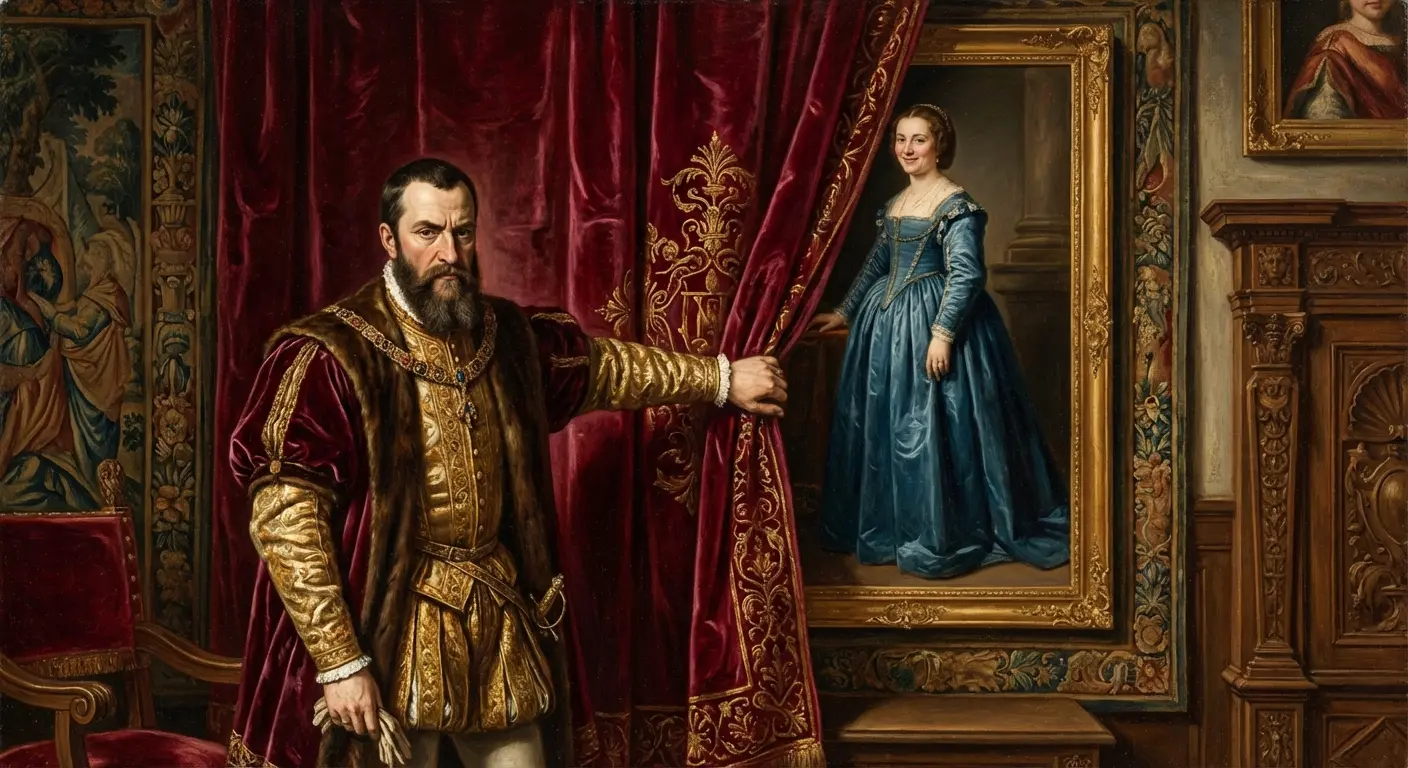
The Duke of Ferrara shows off a painting of his late wife to a guest. He casually implies he had her killed because she smiled too much at other people. This is the ultimate study in “telling on yourself.” The Duke thinks he sounds powerful and refined, but the reader sees a sociopathic control freak.
2. “The Love Song of J. Alfred Prufrock” by T.S. Eliot
An anxious modern man confesses his insecurities and fear of rejection in a stream-of-consciousness spiral. This poem creates a masterclass in voice. The stuttering, repetitive lines mimic the paralysis of overthinking—similar to how repetition poem examples use recurring phrases to highlight obsession.
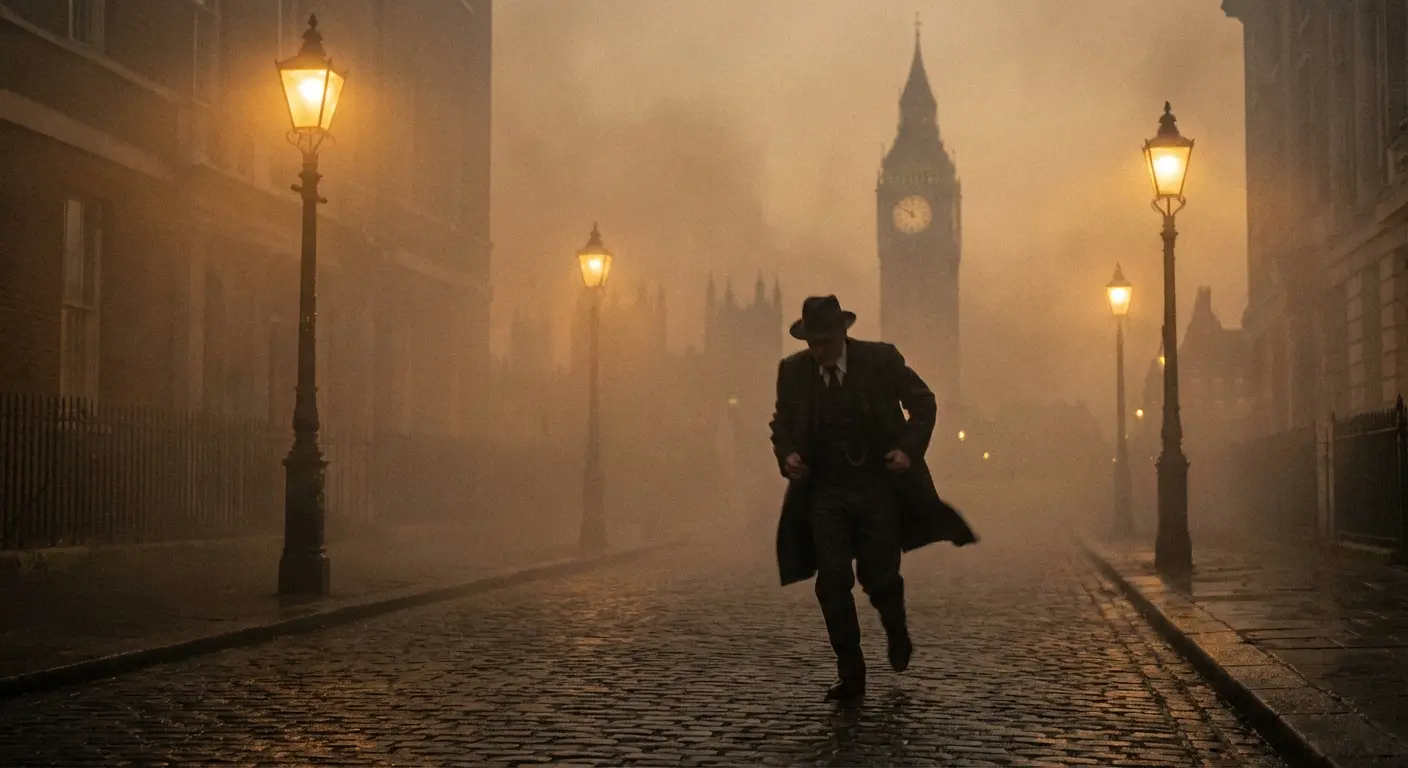
3. “Lady Lazarus” by Sylvia Plath
The speaker treats her suicide attempts like a performance for a peanut-crunching crowd. It’s dark, humorous, and full of bravado. The irony is thick here—she uses a tone of showmanship to discuss deep trauma, challenging the audience’s voyeurism.
4. “Ulysses” by Alfred, Lord Tennyson
An aging Greek hero admits he hates his quiet life on Ithaca and wants to sail away before he dies. The setting does the heavy lifting here. The stagnation of the island contrasts sharply with the restless energy of his mind.
5. “The River Merchant’s Wife: A Letter” by Ezra Pound
A young wife writes to her traveling husband, tracing their relationship from childhood shyness to deep devotion. The voice authenticity is beautiful—the language actually matures as the poem progresses, mirroring her growth from a child to a longing wife.
Category B: Reimagined Mythology & History
These poems take famous figures and give them a modern or subversive voice, flipping the script on established narratives. Much like narrative poem examples transform storytelling by shifting the perspective, these pieces breathe new life into old tales.
| Feature | Traditional Myth | Reimagined Persona Poem |
|---|---|---|
| Perspective | Third-person, heroic, objective. | First-person, emotional, domestic. |
| Setting | Temples, battlefields, Mount Olympus. | Kitchens, bedrooms, suburbia. |
| Language | Elevated, archaic, formal. | Slang, conversational, gritty. |
Reframe your own story confidently using the Maid Of Honor Speech Generator
6. “Mrs. Midas” by Carol Ann Duffy
King Midas’s wife complains about the nightmare of living with a man who turns their dinner and furniture into gold. It uses modern humor to ground a myth in reality, exploring the practical, domestic fallout of greed.

7. “Gretel in Darkness” by Louise Glück
Gretel speaks years after killing the witch, still traumatized by the memory despite the “happy ending.” It challenges the idea that surviving is the same thing as healing, placing us right inside the darkness of PTSD.
8. “Havisham” by Carol Ann Duffy
Miss Havisham speaks about her hatred for the man who jilted her, swinging wildly between love and violence. The oxymoronic opening immediately shows us just how fractured her psyche has become.
9. “Salome” by Carol Ann Duffy
Salome is reimagined as a modern party girl who wakes up hungover with a head on a platter, unsure how it got there. By moving the setting to a modern bedroom, the ancient violence feels casual and chilling.
10. “Demeter’s Prayer to Hades” by Rita Dove
Demeter speaks to the god of the underworld about her daughter, Persephone. This isn’t a plea for mercy; it’s a mother negotiating with power. The voice is strong, not despairing.
Category C: Inanimate Objects & Abstract Concepts
Giving a voice to the non-human allows for some of the most unique perspectives on human behavior. These poems let us hear from speakers who have no body, yet understand us perfectly.
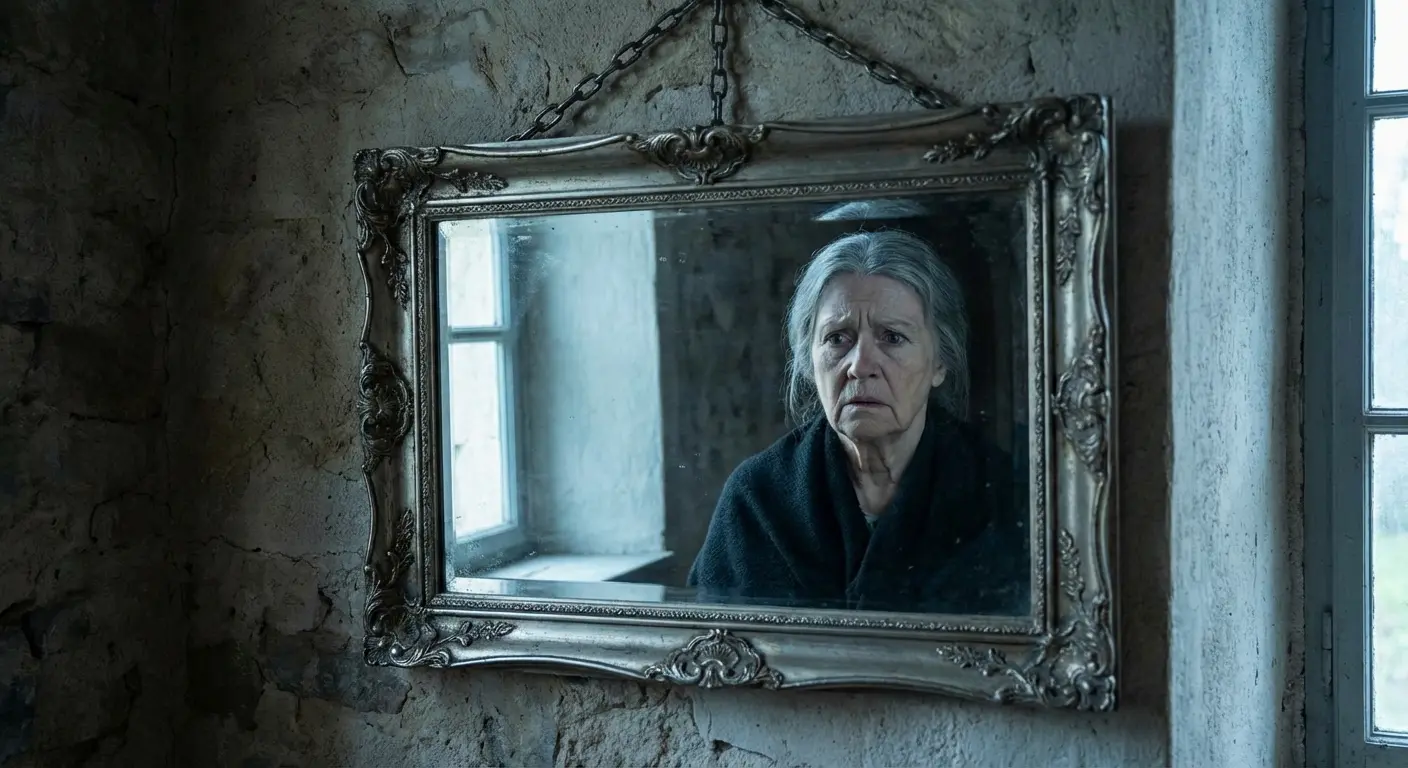
11. “Mirror” by Sylvia Plath
A mirror claims to be “exact,” reflecting an aging woman day after day. The tone is cold, clinical, and objective—exactly how a mirror should sound.
12. “The Onion” by Wislawa Szymborska
The speaker praises the onion for its lack of secrets, contrasting it with human hypocrisy. By praising a vegetable, the speaker cleverly critiques the duplicity of human nature.
13. “Money” by Dana Gioia
Money talks about its own seduction and how it is whispered in every language. It speaks directly to you, the consumer, highlighting just how dependent we are on it.
14. “A Martian Sends a Postcard Home” by Craig Raine
A Martian describes human objects without knowing their names, using strange metaphors. It forces the reader to see our familiar world through alien eyes.
Writing Exercise: The Alien Perspective
Want to try this? Describe a “Car” without using words like “wheels,” “drive,” or “engine.”
- Persona: A curious alien explorer.
- Description: “A metal beetle that humans climb inside. It growls when tickled with a silver key and eats liquid fossils to run fast.”
15. “Siren Song” by Margaret Atwood
A siren complains that her song is boring and she hates her bird suit, tricking the reader into coming closer to “help” her. The poem itself is the trap. By the time you finish, her appeal to your ego has already caught you.
Category D: Animals and Nature
This category explores consciousness outside the human experience, often stripping away morality. These poems challenge us to view the world through instinct rather than intellect.

16. “Hawk Roosting” by Ted Hughes
A hawk meditates on his perfection and his right to kill. The hawk represents pure authoritarianism. There is no human morality here—just absolute, arrogant power.
17. “Golden Retrievals” by Mark Doty
A dog speaks about chasing a ball, contrasting his ability to live in the “now” with his human’s tendency to dwell on the past. The syntax is breathless and erratic, perfectly mimicking a dog’s attention span.
18. “The Bull Moose” by Alden Nowlan
The perspective shifts to inhabit the majesty of the animal against the cruelty of humans. It focuses on the wild setting versus the encroaching fences of civilization.
19. “View of a Pig” by Ted Hughes
A meditation on a dead pig that strips away all sentimentality. The speaker refuses to anthropomorphize the animal, creating a stark, brutal reality that challenges our empathy.
20. “Death of a Toad” by Richard Wilbur
This describes the final moments of a toad hit by a lawnmower. Through high, elevated diction, the poet gives the toad a tragic, almost mythic dignity.
Category E: Social Roles & Archetypes
These examples explore specific jobs or social positions, often critiquing the expectations attached to them. They serve as social commentary, letting us hear the internal monologue of characters we usually overlook.
21. “The Mother” by Gwendolyn Brooks
A woman reflects on the abortions she has had, grappling with the memory of children she never knew. It avoids political binaries to focus on complex grief and responsibility.
22. “The Applicant” by Sylvia Plath
A corporate interviewer speaks to an applicant, reducing marriage and life to a simple transaction. The speaker sounds like a slick salesman, satirizing how society packages gender roles as products.
23. “Hazel Tells LaVerne” by Katharyn Howd Machan
A cleaning lady tells her friend about a frog in the toilet that promised to turn into a prince. She flushed it. The poem uses dialect to capture a specific working-class voice and a pragmatic, no-nonsense attitude.
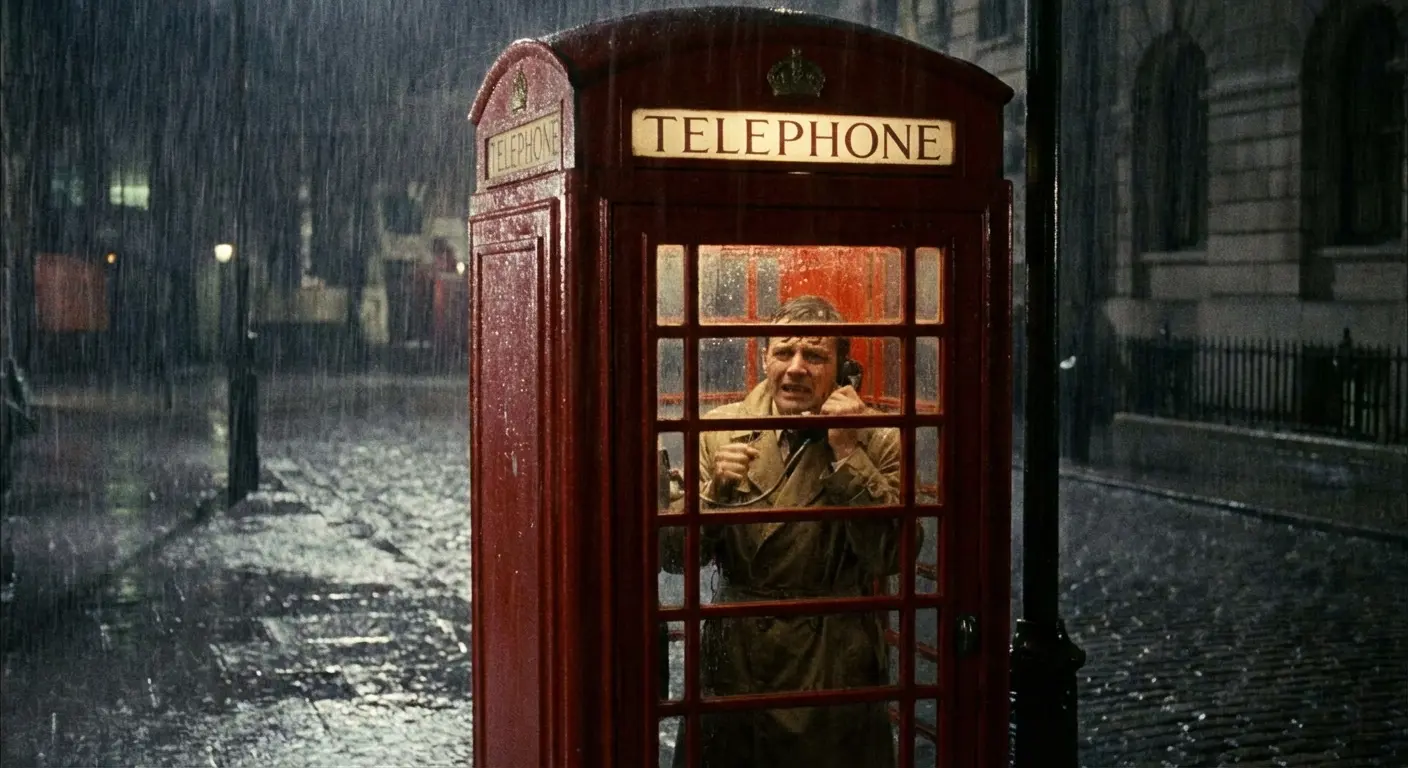
24. “Telephone Conversation” by Wole Soyinka
A Black man speaks to a white landlady who demands to know how dark his skin is. He uses wit and intellect to mock her ignorance, even though she holds the power over the housing.
25. “Unknown Citizen” by W.H. Auden
A bureaucrat recites the statistics of a man who died, claiming he was a saint because he never caused trouble. The speaker assumes the man was happy because the data says so; the reader realizes the man was just a number.
The Ultimate Real-World Application
Reading these examples makes one thing clear: adopting a persona isn’t just a literary exercise; it’s a service. Weddings are basically dramatic stages filled with complex characters—the stressed bride, the overbearing mother, the jealous friend. Sometimes, the script requires a character that doesn’t exist in the bride’s real life: a calm, professional, reliable best friend.
Professional bridesmaids often use fake names and create backstories to blend seamlessly into the wedding party. It requires the exact same “voice authenticity” found in poetry. There are plenty of things you didn’t know about being a bridesmaid, but the most important is the ability to become exactly who the bride needs in that moment. We use the same techniques found in these poems to navigate the event. Just as a poem needs a silent listener, we act as the silent support system. We study how to craft a believable character, and we apply those lessons in the bridal suite. Empathy is the key to a convincing performance. By mastering the art of the persona, we ensure the bride remains the star of her own show.
Channel the exact tone the moment needs with the Maid Of Honor Speech Generator
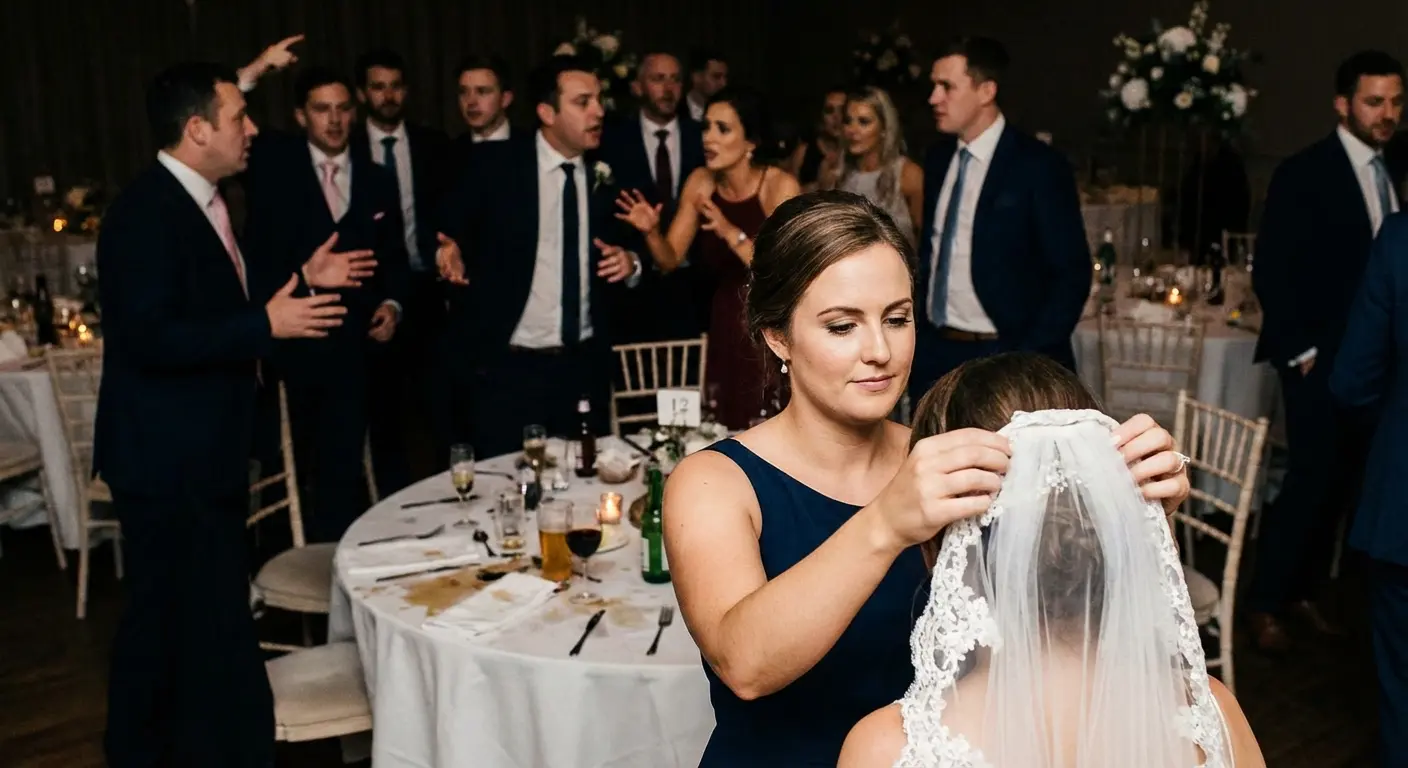
The “Undercover” Persona:
Imagine a hired bridesmaid named “Jen.”
- The Persona: Jen is an old college friend from the bride’s “study abroad” year (a backstory created to explain why family members haven’t met her).
- The Voice: Supportive, knowledgeable about the venue, and deferential to the Maid of Honor so no egos get bruised.
- The Goal: To absorb stress so the bride remains the protagonist of her own day.
| Poetic Skill | Wedding Scenario | Professional Action |
|---|---|---|
| Silent Listener | The Mother of the Bride is venting about the flowers. | You listen actively without interrupting, letting her feel heard to diffuse the tension. |
| Contextual Setting | The bridal suite is chaotic and messy. | You become the organizer, changing the physical setting to calm the psychological state of the room. |
| Radical Empathy | A bridesmaid is acting out due to jealousy. | Instead of judging, you adopt a persona of understanding to neutralize her behavior without causing a scene. |
How We Can Help
Just as a poet steps into a character to solve a narrative problem, Bridesmaid for Hire steps into a role to solve real-life wedding chaos. We act as a therapist, a calming force, and a non-judgmental voice of reason to manage the stress that family members just can’t handle. Whether you need to hire a professional bridesmaid to be your support system or want to apply to become one, you are engaging in the sophisticated human art of empathy.
We can even help you find your own voice through maid of honor speech examples and coaching, ensuring your public persona is as polished as your written one.
- Maid of Honor Coaching: We provide speech writing tools to help you find your voice.
- Undercover Support: We wear the dress and walk down the aisle while managing drama behind the scenes.
- A Support System: You get a paid professional who is there solely for you, untethered by family baggage.
Hire a Professional Bridesmaid or Apply to Join the Team today.
Final Thoughts
In this day and age, the ability to adopt a persona to help others is a superpower. If you love the empathy found in persona poetry, you might just be the perfect fit to work with us. Or, if you need that kind of poetic support in your life, you know exactly who to call.






1-800-BRIDESMAID
The Newlywed
Card Game
something extra to love
Read the weekly newsletter from Bridesmaid for Hire, 1-800-Bridesmaid, to hear about real stories, from strangers, who need advice on love, life, friendship, and so much more.
Looking for the perfect wedding gift for someone you adore? Grab The Newlywed Card Game. It's a fun and interactive game they can play on their honeymoon or future date nights.