


25 Wedding Officiant Speech Examples That Will Make You Look Like a Pro
January 10, 2026

Hi, Friend! Jen Glantz her. I’m a bestselling author, the first ever bridesmaid for hire and have been hired by hundreds of brides all over the world. Let’s talk about wedding officiant speech examples.
Let’s be real: staring at a blinking cursor is terrifying. The sheer amount of information online is enough to numb your brain when you just want to write something meaningful. A quick Google search brings up nearly 700,000 results for “canned samples.” That’s enough to make anyone’s head spin.
I remember the first time I had to write a ceremony script. I opened about fifty tabs, drank way too much coffee, and felt more confused than when I started.
Quick Resources
-
Write a polished ceremony script using the Wedding Officiant Speech Generator
-
Get help crafting vows with the Wedding Vow Generator
-
Explore all speech and ceremony tools in our All Wedding Tools
You don’t need endless options; you just need the right ones. This guide cuts through the noise to give you the actual officiant speech examples and frameworks that work. We’re going to help you build a script that feels authentic rather than copy-pasted. By the end of this, you’ll have a clear path to writing a ceremony that honors the couple perfectly, and you’ll understand exactly how to make it flow without it feeling awkward.

TL;DR
In a rush and need the highlights? Here is the cheat sheet on selecting the right words for the big day.
-
Personalization is king. The trend is moving away from generic templates toward scripts that actually reflect the couple’s specific story and vibe.
-
Tone matters most. Decide early if this should feel solemn, celebratory, funny, or brief.
-
Logistics impact the flow. You have to account for rituals like unity candles or readings within the written flow of the script.
-
There is a script for everyone. Whether the couple wants a 3-minute elopement or a full narrative deep-dive, we have categorized examples below.
-
You don’t have to do it alone. Professional speech writing tools and coaching are available to help you polish your delivery.
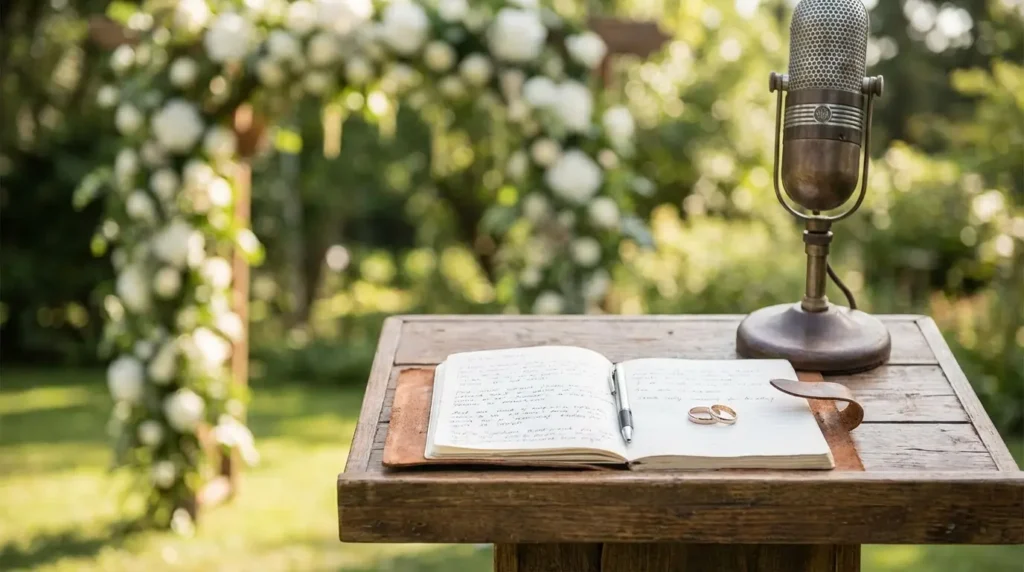
Considerations for Choosing a Wedding Officiant Script
You can’t just pick a script out of a hat. You need to figure out the “why” and “how” behind the ceremony before committing to the text. The focus for weddings right now is hyper-personalization. It’s time to move away from cookie-cutter templates and find a script that fits the actual humans standing at the altar.
Before you start writing, read up on what you should know before hiring an officiant (or agreeing to be one) to ensure the person delivering the words aligns with the couple’s vision. A great script falls flat if the delivery doesn’t match the content. Ultimately, the script serves as a roadmap for the emotional journey of the day, so getting the structure right is the critical first step.
Create a ceremony structure that actually flows using the Wedding Officiant Speech Generator
The Tone and Vibe
As the officiant, you set the emotional thermostat for the event. Does the couple want a solemn atmosphere or a celebration that feels like a party? Your word choice dictates how the guests feel from the moment you grab the mic. Discussing the vibe early helps avoid awkward moments, so be sure to review things you can ask your wedding officiant not to say.
A speech that lands perfectly usually comes from understanding the couple’s boundaries. Here is a quick way to figure that out.
Determining the Tone: The 3-Question Test
Before writing a single word, sit down with the couple and ask these three questions to nail the vibe:
-
The Movie Rating: “If your wedding was a movie, would it be a romantic drama (serious/tear-jerker), a rom-com (light/funny), or a documentary (factual/short)?”
-
The Guest Reaction: “Do you want your guests to be wiping away tears, laughing out loud, or cheering?”
-
The Tradition Level: “On a scale of 1 to 10, how much do you care about ‘traditional’ wedding language like ‘honoring’ and ‘obeying’?”
Belief Systems
You’ve got to figure out the spiritual requirements. Does the ceremony need specific religious texts and prayers, or should it remain strictly secular? This is a foundational decision that shapes the entire structure of the script.
|
Script Type |
Key Characteristics |
Best For |
|---|---|---|
|
Religious |
Includes prayers, scripture readings (e.g., Corinthians), and mentions of God/Creator. |
Church weddings or couples with strong faith backgrounds. |
|
Spiritual |
References “universe,” “energy,” or “blessings” without specific religious dogma. |
Couples who are “spiritual but not religious” or interfaith. |
|
Secular/Civil |
Focuses entirely on human connection, love, and legal commitment. No divine references. |
Non-religious couples, City Hall weddings, or strictly legal ceremonies. |
Generate a script that matches the couple’s beliefs with the Wedding Officiant Speech Generator
When you align the script with the couple’s core beliefs, the ceremony feels honest.
The “Story” Component
Modern speeches often function as a narrative. You should consider how much of the couple’s personal history needs to be woven into the speech. Do they want the “how we met” story? The proposal details?
Great speeches balance the legal requirements with these personal anecdotes to keep the audience engaged. But be careful—if you lean too heavily on the biography, you might lose the significance of the commitment. Finding the balance is key.

Length and Pacing
Attention spans are short. You need to decide if this should be “short and sweet” (elopement style) or a full-length traditional service. A standard ceremony usually runs 15–20 minutes.
If the script drags on, guests check out. Conversely, if it’s too short, it might feel anticlimactic.
|
Ceremony Section |
Estimated Time |
Purpose |
|---|---|---|
|
Processional |
3-5 Minutes |
Music plays, wedding party enters. |
|
Welcome/Opening |
2-4 Minutes |
Officiant greets guests and sets the tone. |
|
The “Story” |
3-5 Minutes |
Telling the couple’s narrative (optional). |
|
Readings/Rituals |
3-5 Minutes |
Poems, scripture, or unity candles. |
|
Vows & Rings |
3-5 Minutes |
The legal and emotional core of the event. |
|
Pronouncement |
1-2 Minutes |
The kiss and exit. |
Balance length and pacing automatically with the Wedding Officiant Speech Generator
Logistics and Rituals
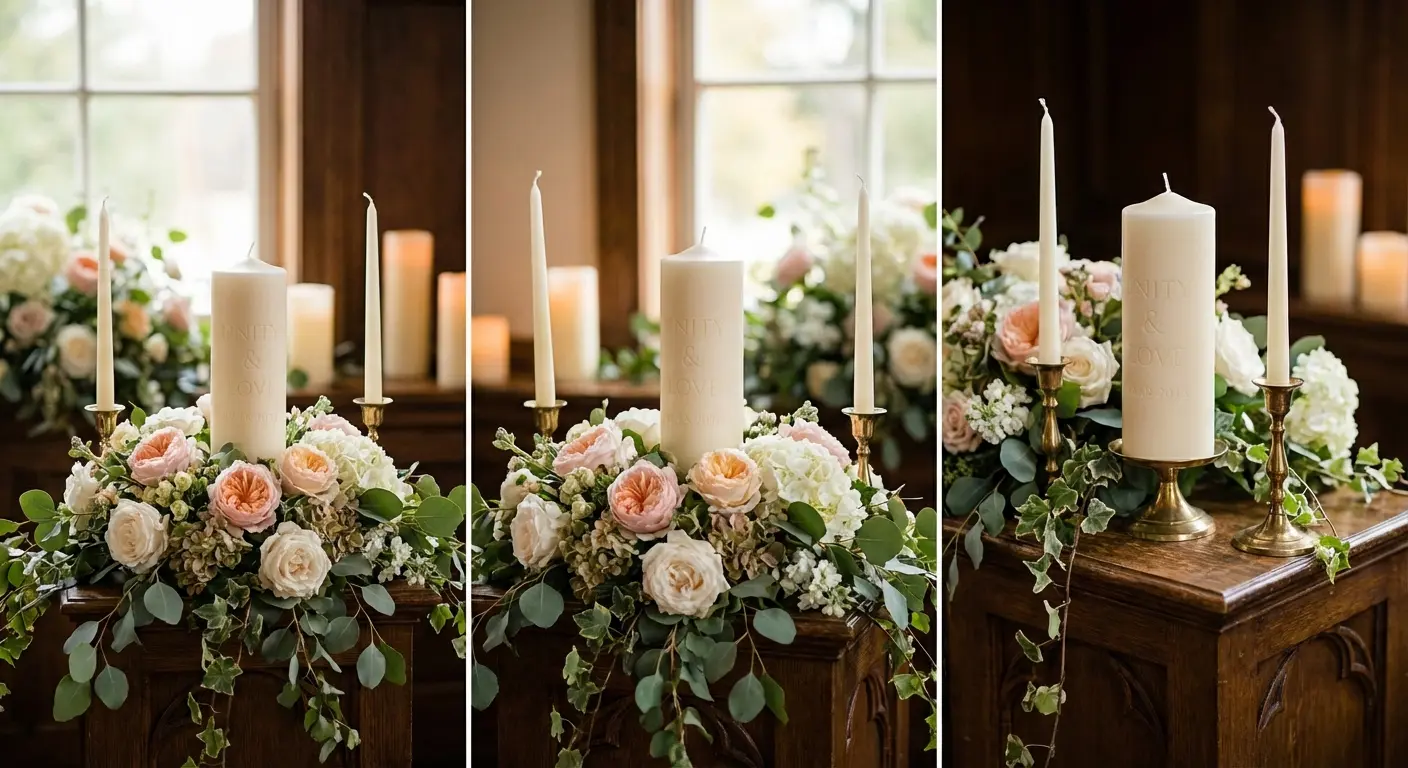
Don’t forget the physical movements. If the couple wants unity candles, sand ceremonies, or readings, the script must provide time and cues for these elements to happen smoothly.
An experienced speaker knows that the officiant speech isn’t just about words; it is about directing traffic. Your script needs to include stage directions like “move to the side” or “hand bouquet to Maid of Honor.”
Top 25 Wedding Officiant Speech Examples
We’ve broken down 25 distinct script concepts by category. You will find the concept, specific details, and an analysis of why it works for different types of couples. If you are looking for specific structures to copy and paste, check out our guide on wedding officiant speech templates to get started.
These examples cover the spectrum from solemn to hilarious. Reviewing these will help you identify the perfect starting point.
Category A: The Traditional & Classic
These scripts work best for formal weddings, religious settings, or couples who value timelessness. They prioritize structure and familiarity over novelty. A traditional script provides a sense of gravity that many couples desire.
Using a classic script ensures that older family members feel comfortable and included. It relies on time-honored phrasing that signals the importance of the moment.
1. The “Dearly Beloved” Classic
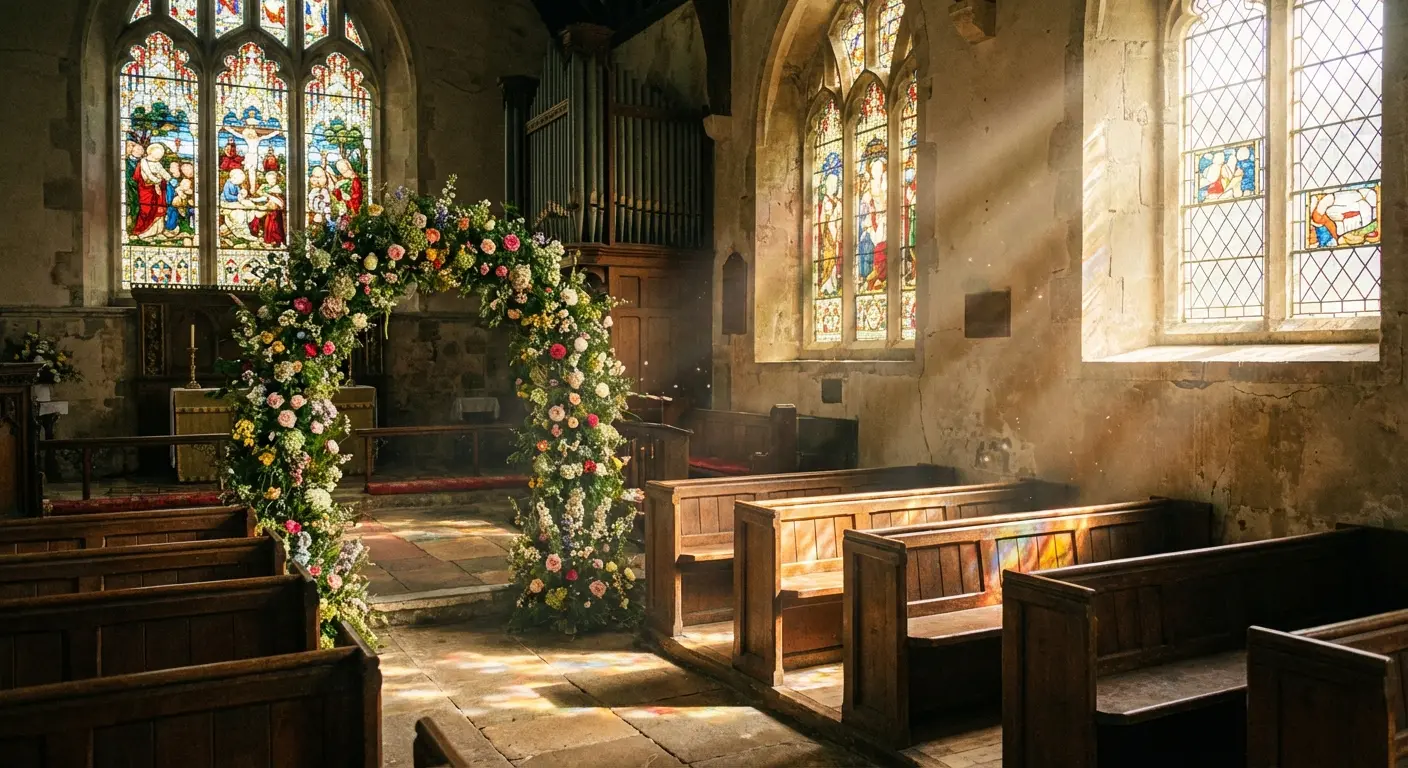
This is the quintessential opening. You start with “Dearly beloved, we are gathered here today…” and follow a standard structure including the Convocation, Invocation, Vows, Ring Exchange, and Pronouncement. It offers high formality and comforts older guests who appreciate tradition.
2. The Religious Standard (Corinthians Focus)
You center the script around 1 Corinthians 13 (“Love is patient, love is kind…”). This is ideal for church weddings or deeply spiritual couples. It provides a familiar religious framework that many guests will recognize immediately.
3. The “Community Vow” Script
You ask the guests to stand and vow to support the couple. You will ask, “Do you, the friends and family, promise to encourage and uphold this couple?” This adds a layer of communal responsibility and works well for weddings where the “village” aspect is important.
4. The Parental Blessing
Adapt the traditional “giving away” line. Instead of “Who gives this woman?”, you ask, “Who supports this couple in their marriage?” This nods to family lineage while bridging the gap between old-school traditions and modern family dynamics.
5. The “Foundation of Marriage” Speech
Focus the speech on marriage as an institution. Cite historical or philosophical definitions of commitment. This approach is serious and intellectual, making it a good fit for mature couples who view marriage as a solemn contract.
Category B: Modern & Story-Driven
These examples focus on the couple’s unique narrative. They are best for current trends where personalization is the main goal. A modern speech often feels more like a conversation than a sermon.
When you use a story-driven speech, you invite the audience into the relationship. This type of script is highly engaging because it is specific to the people standing in front of you.
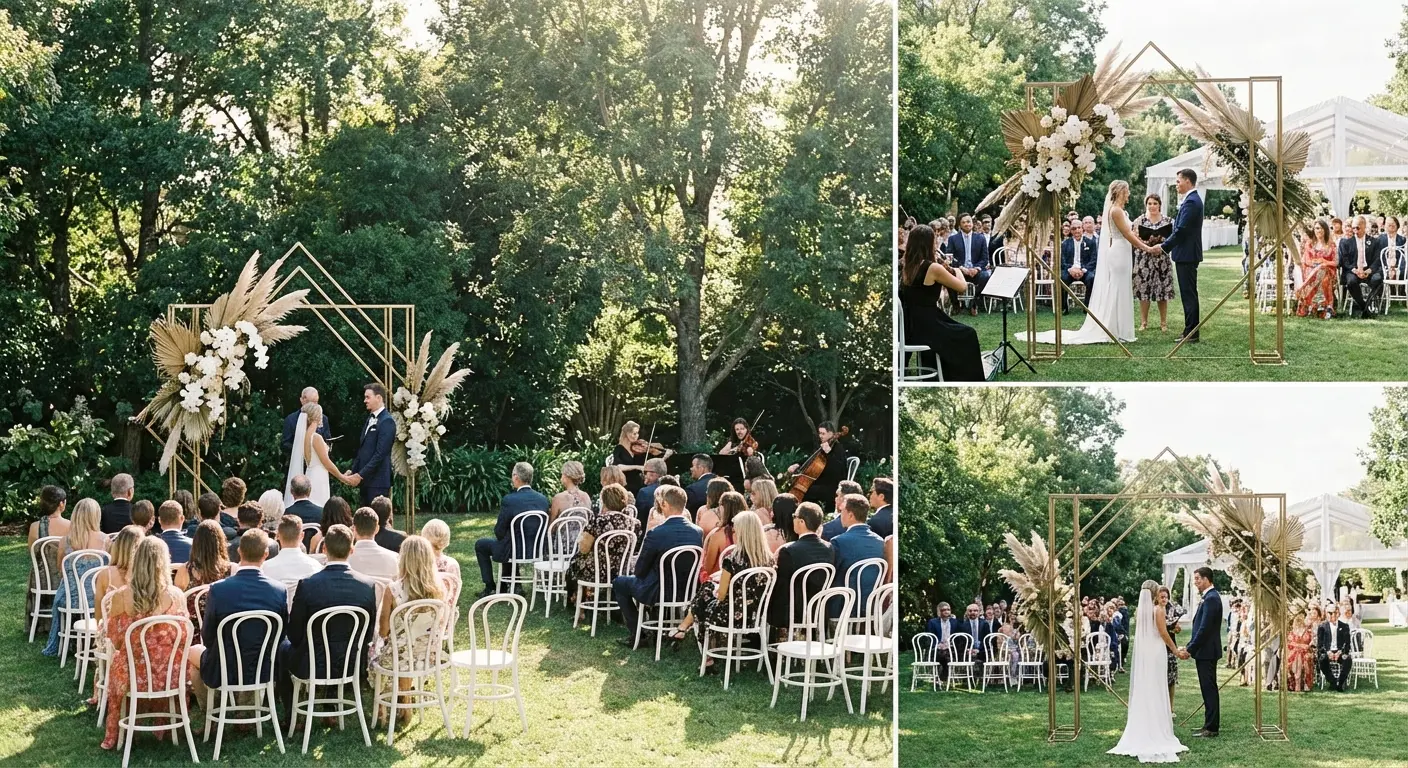
6. The “How They Met” Narrative
Open with the specific story of their first meeting. You might say, “It started with a swipe right…” or “It began at a coffee shop in 2019…” This engages the audience immediately and relaxes the tone by focusing on their specific history.
7. The Friendship-First Script
Highlight the deep platonic bond that fuels the romance. You state, “Before they were lovers, they were best friends.” This feels grounded and authentic, making it perfect for couples who knew each other for years before dating.
8. The “Teamwork” Metaphor
Use concepts of partners or co-pilots. You might say, “Marriage is not just looking at each other, but looking in the same direction.” This appeals to pragmatic couples who value equality and partnership over romance novel themes.
9. The Mindfulness & Presence Script
Ask the couple to take a deep breath, look at the crowd, and be present in the moment before proceeding. This slows down the pacing and creates a moment of calm, which is excellent for high-stress weddings.
Script Cue: The “Deep Breath” Moment
Officiant: “Before we proceed to the vows, I want you both to stop. Take a deep breath. Turn and look at the faces of the people here who love you. Take a mental photograph of this moment. The rest of the day will fly by, but right now, just be here.”
10. The “Letters to the Future” Ceremony
Guide the couple as they lock love letters and a bottle of wine in a box to be opened on their 5th anniversary. This adds a physical ritual to the modern story and focuses on the longevity of the marriage rather than just the wedding day.
Turn the couple’s story into a polished script with the Wedding Officiant Speech Generator
Category C: Short, Sweet & Civil
These scripts are best for elopements, city hall vibes, or couples who dislike being center stage. They prioritize efficiency. A short ceremony strips away the fluff to focus on the legal commitment.
Sometimes, less is more. A concise script respects the couple’s desire for privacy or speed. These are perfect for destination weddings where the party is the priority.
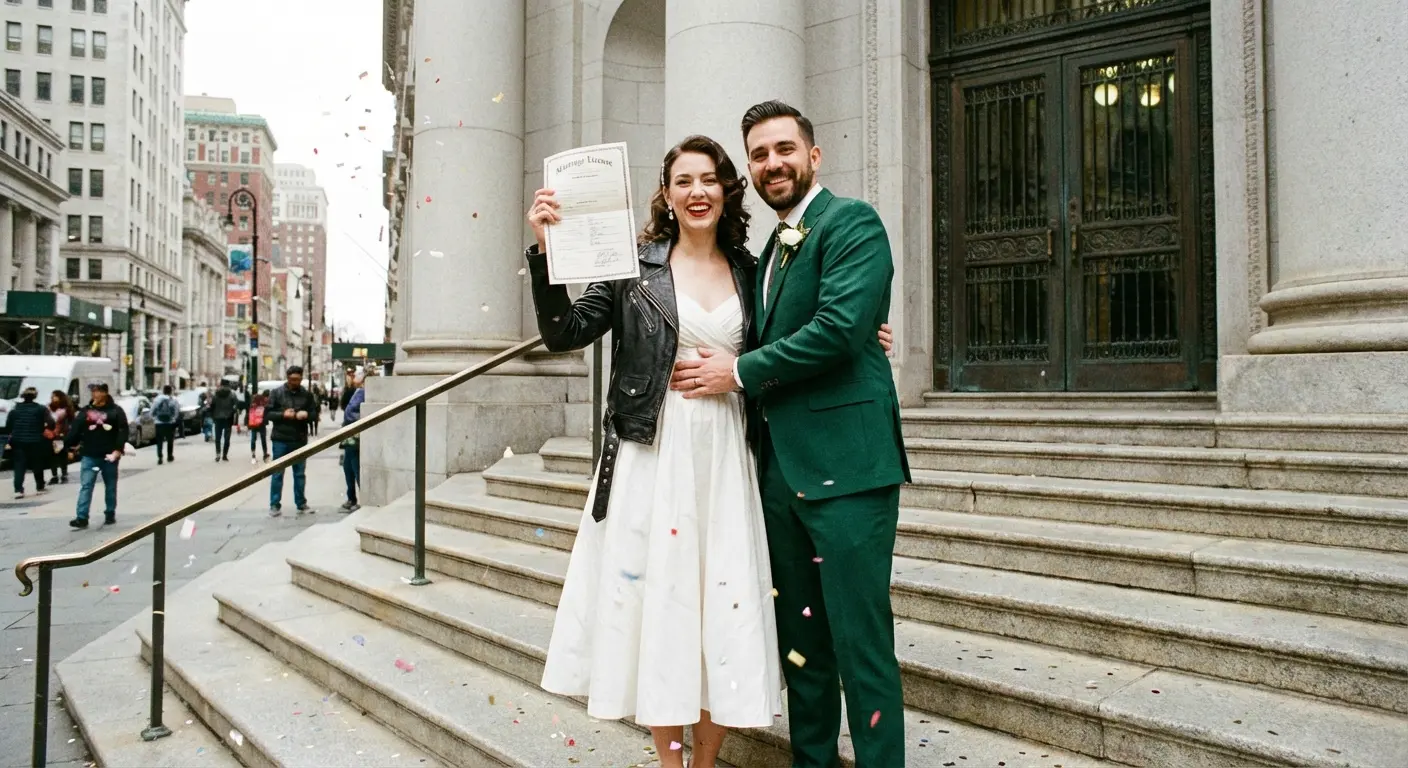
11. The “I Do” Dash (3 Minutes)
Go straight through the Welcome, Vows, Rings, and Kiss. No fluff. This provides maximum efficiency and is often used for legal signing ceremonies prior to a destination wedding.
12. The “Legal Minimum” Script
Stick to the functional basics. “Do you take…? Do you take…? By the power vested in me, I pronounce you…” This has zero personalization and works best for shy couples who want to get straight to the reception.
13. The “Just Us” Elopement Script
Speak intimately to the couple about the bravery of choosing each other without fanfare. This is deeply emotional and private, focusing entirely on the connection between the two people.
14. The “Vow-Centric” Ceremony
Say very little, perhaps only two minutes of speaking time. Allow the couple’s personal written vows to take up the majority of the ceremony. This puts the spotlight firmly on the couple’s voice but requires them to be comfortable public speakers.
15. The “Adventure” Script
Tailor the words to the setting, such as a mountaintop. You might say, “We are gathered here on this mountain top…” The setting becomes a character in the script, creating an awe-inspiring and grand tone.
Draft a concise, legally sound ceremony using the Wedding Officiant Speech Generator
Category D: Humorous & Lighthearted
These are best for couples with big personalities who want to entertain the guests. They break the tension with laughter. If the couple wants to keep guests laughing, consider incorporating some tested wedding officiant speech jokes to break the ice.
A funny speech requires good timing. When done right, it makes the ceremony memorable and joyful. However, the script must balance the jokes with the sincerity of the vows.
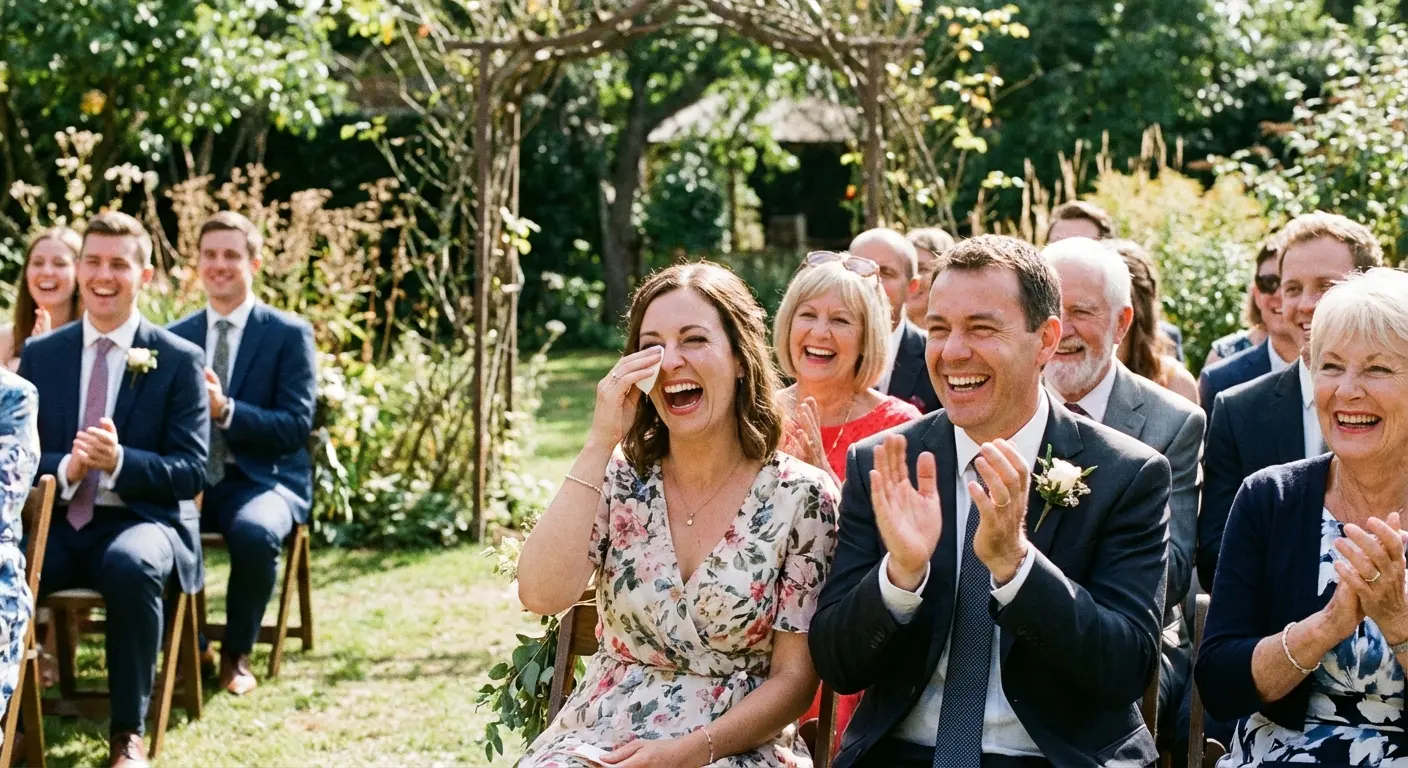
16. The “Finally!” Script
Acknowledge the long wait. You say, “We are gathered here today… finally.” This addresses the elephant in the room regarding a long engagement or delays and immediately relaxes the crowd.
17. The “Sitcom Intro” Speech
Frame the relationship like a TV show season finale. You might start with, “Previously on Sarah and Mike…” This is very casual and fun, but it requires an officiant with good comedic timing.
18. The “Roast and Toast” Balance
Lightly tease the couple about their quirks before pivoting to how those quirks make them perfect for each other. This is high risk and high reward. You must balance it carefully so it does not feel mean.
The “Roast & Toast” Pivot
Officiant: “We all know that John is terrible at directions, and that Lisa has an obsession with organizing her spice rack alphabetically. But that is exactly why this works. John brings the adventure of getting lost, and Lisa ensures there is a plan to get found. They balance each other perfectly.”
19. The “Interactive” Script
Ask the guests to participate vocally. You might ask, “If you promise to buy them a drink tonight, say We Do!” This keeps the energy high and works great for “party vibe” weddings.
20. The “Survival Guide” Advice
Read the script like a manual for surviving marriage. Offer funny but practical tips, such as “Always say you’re sorry, even if you’re hungry.” This is relatable and removes the stuffiness of traditional vows.
Category E: Themed & Unique Rituals
These scripts are best for non-traditional weddings or cultural fusion. They involve specific actions or references. A themed ceremony allows the couple to express their shared passions.
Incorporating a ritual into the script gives the guests something visual to focus on. This is ideal for couples who want their ceremony to be a performance art piece or a deep cultural nod.

21. The Handfasting (Celtic) Script
Wrap cords around the couple’s hands while reciting specific vows for each cord. This is literally “tying the knot.” It appeals to history buffs or those wanting a physical representation of binding.
22. The “Ring Warming” Ceremony
Explain the process as rings are passed around the guests to “warm” them with good wishes. You fill the time with a reading while this happens. It is deeply inclusive but works best for smaller guest lists.
23. The Pop Culture Tribute
Use quotes from movies like The Princess Bride or Star Wars. This is niche. It only works if the guests understand the reference, otherwise, it can be confusing.
24. The “Sand or Water” Blending
Narrate as two colors of sand are poured into one vessel. The script focuses on two lives becoming inseparable. This is great for blended families, especially when including children in the ceremony.
25. The “Tree Planting” Script
Speak while the couple adds soil to a potted tree. You say, “Like this tree, your love requires care and water to grow.” This symbolizes long-term growth and is perfect for nature lovers.
How to Survive Being a “Friend Officiant”
Choosing from these examples is only the first step. Many weddings now feature a friend or family member as the officiant rather than a professional clergy member. This role comes with zero pay and high pressure.
Most “friend officiants” are terrified. They don’t know how to structure a script, they are nervous about public speaking, and they fear ruining the moment.
Write with confidence instead of panic using the Wedding Officiant Speech Generator
If you have been asked to step into this role, read our guide on becoming a wedding officiant to understand the responsibilities involved. Writing the speech is one thing; delivering it without shaking is another. A solid script is your best defense against nerves.
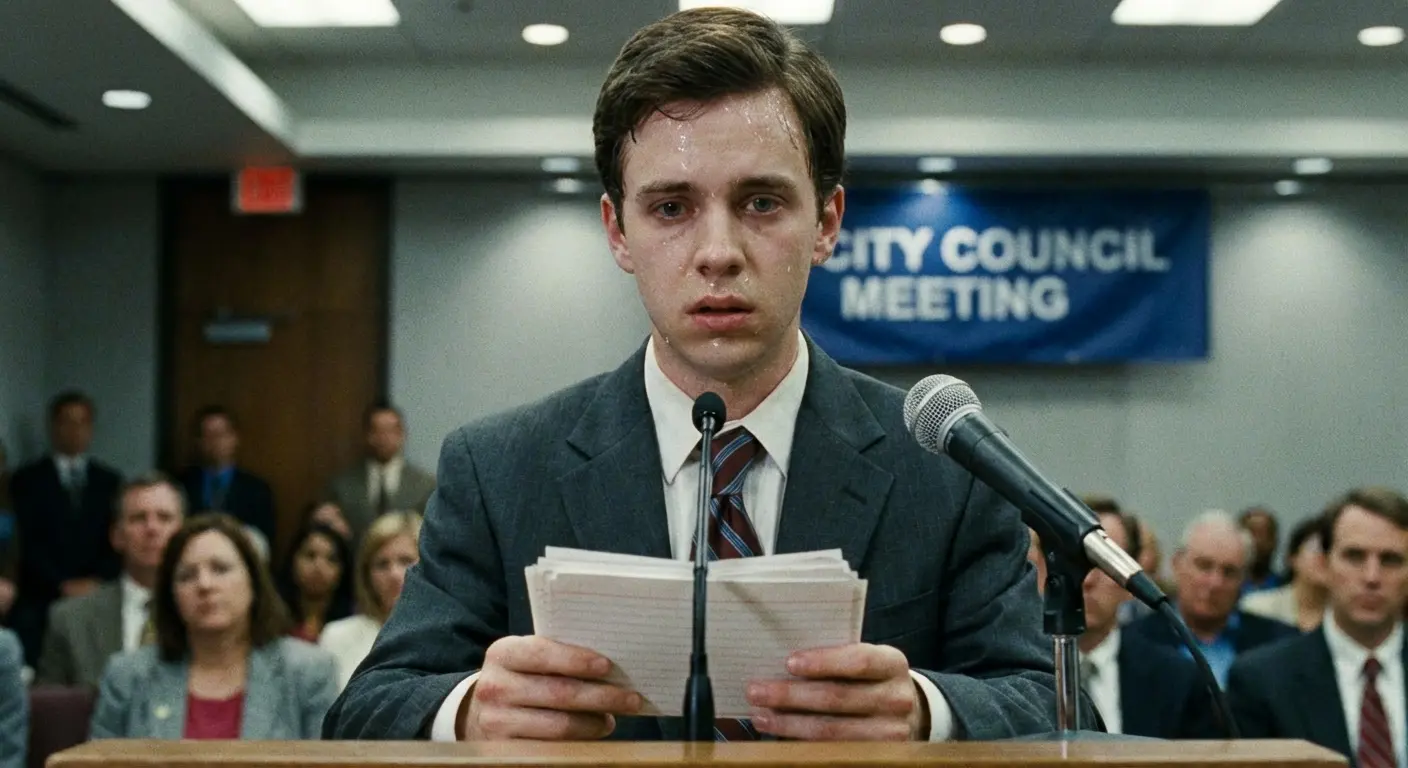
The Bridesmaid for Hire Solution
We offer services that go far beyond holding the bouquet. We provide the support system you need to pull this off.
-
Speech & Vow Writing Tools: We offer AI-enhanced and professionally curated tools specifically for writing officiant drafts. You don’t have to stare at a blank page. You can generate a personalized script that sounds like you.
-
Professional “Bestie” Support: If you are the Maid of Honor and the Officiant, the stress is doubled. We act as the project manager for the wedding party, handling logistics so you can focus on the ceremony.
-
Coaching the Unprofessional: We offer resources and coaching to turn a nervous friend into a polished speaker.
|
Feature |
Amateur “Friend Officiant” |
Friend Officiant + Professional Coaching |
|---|---|---|
|
Script Quality |
Often generic or copied from Google. |
Custom-written, polished, and flows logically. |
|
Delivery |
Nervous, fast-paced, shaky voice. |
Confident pacing, clear projection, eye contact. |
|
Logistics |
Often forgets cues (rings, microphone). |
Has a clear “run of show” and manages movement effortlessly. |
|
Legal |
May not know how to sign the license. |
Guided on exactly where and when to sign legal docs. |
Whether you need a script or someone to manage the chaos behind the scenes, we provide the brains and heart to make the wedding stress-free.
Final Thoughts
You have the power to make or break the ceremony. No pressure, right? But seriously, the speech you choose sets the tone for the entire marriage celebration. Whether you go with a traditional approach or a humorous roast, the most important thing is that it feels authentic to the couple standing in front of you.
Take the time to review these examples, pick the one that resonates, and then make it your own. With the right script in hand, you can walk up to that altar with confidence. You’ve got this.
Related posts:





1-800-BRIDESMAID
The Newlywed
Card Game
something extra to love
Read the weekly newsletter from Bridesmaid for Hire, 1-800-Bridesmaid, to hear about real stories, from strangers, who need advice on love, life, friendship, and so much more.
Looking for the perfect wedding gift for someone you adore? Grab The Newlywed Card Game. It's a fun and interactive game they can play on their honeymoon or future date nights.